

Veneers, Bonding or Whitening in Matthews, NC
June 29, 2026
Dental Health
If you live near Mint Hill and you are unhappy with your smile, you have options. The challenge is figuring out which one fits your situation. Veneers, bonding, or whitening — which fix works for your smile in Mint Hill? This guide breaks down each treatment by concern so you can walk into your appointment feeling informed and confident.
Dr. Ashley Dawson and the team at Dawson Modern Dentistry in Matthews help patients sort through exactly these questions every day. Understanding the difference between each option makes the entire process less overwhelming.
Understanding Your Smile Concern First
Before choosing a treatment, you need to identify your actual concern. Different cosmetic issues call for different solutions. Choosing whitening for a chipped tooth will not help. Choosing veneers for minor surface staining may be more than necessary.
Here are the four most common concerns patients bring to our office:
- Chips or cracks — small breaks along the edge of a tooth
- Gaps — spaces between teeth that affect smile symmetry
- Staining or discoloration — yellowing, gray tones, or deep stains
- Worn edges — flattened or shortened teeth from grinding or age
Each of these concerns responds differently to cosmetic treatment. Your concern is your starting point. Once you know what you are fixing, matching it to the right solution becomes much clearer.
Veneers, Bonding, or Whitening: Which Fix Works for Your Smile in Mint Hill Based on Chips and Gaps
Chips and gaps are structural concerns. Whitening does nothing to repair a chip or close a gap. You need something that physically changes the shape or size of the tooth.
Dental bonding is often the first recommendation for minor chips. A tooth-colored resin is applied directly to the tooth. Your dentist shapes it, hardens it, and polishes it. The whole process usually takes one visit.
Bonding works well for small chips on front teeth. It is also a popular fix for minor gaps between teeth. The results look natural when done well. However, bonding is not as durable as other options and may need touch-ups over time.
Veneers are a stronger choice for larger chips or more noticeable gaps. A veneer is a thin porcelain shell bonded to the front of the tooth. They resist staining and last much longer than bonding. If you want a more permanent fix for chips or gaps, veneers are worth considering.
What Works Best for Staining and Discoloration
Staining is one of the most common cosmetic complaints from patients in the Mint Hill area. Not all staining responds the same way to treatment. The type and depth of the stain matters a great deal.
Professional whitening is the right tool for surface stains caused by coffee, tea, wine, or tobacco. It lightens the natural enamel of your teeth. Results can be dramatic when the staining is surface-level. Most patients see improvement after just one session.
However, whitening does not work on all types of discoloration. Teeth that are gray from medication, trauma, or internal causes do not respond well. In those cases, bonding or veneers can cover the discoloration entirely. Covering beats lightening when the stain is deep or internal.
It is also worth noting that whitening only affects natural tooth enamel. Crowns, fillings, and bonding material will not change color. If you have existing dental work, talk to Dr. Dawson before starting a whitening treatment.
Fixing Worn Edges and Shorter Teeth
Many adults in Mint Hill notice their teeth have become flatter or shorter over time. This is often caused by grinding, acid erosion, or simply aging. Worn edges make you look older and can affect how you bite.
Whitening will not restore length to a worn tooth. Bonding can add small amounts of material to build an edge back up. For minor wear, bonding is a quick and affordable fix. Your dentist applies resin to the worn area and reshapes it.
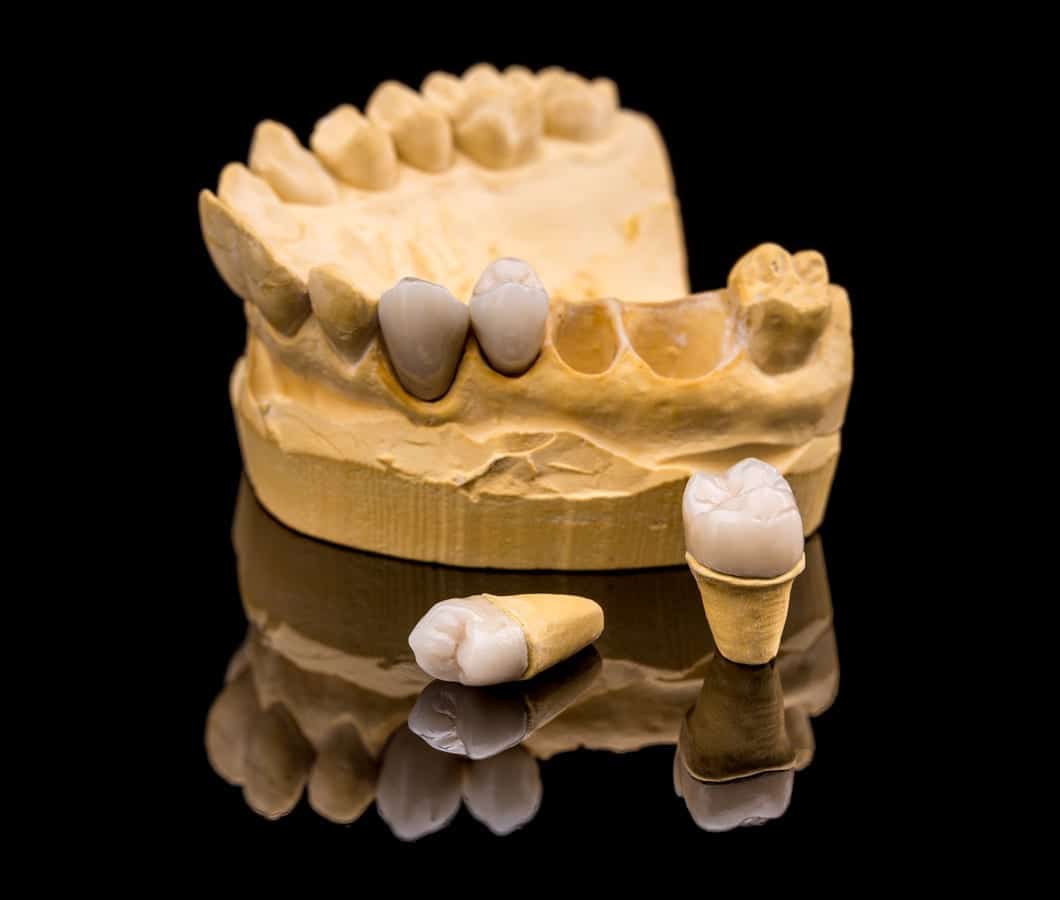
For more significant wear across multiple teeth, veneers are a stronger solution. They cover the entire front surface and restore the original length and shape. Some patients with severe grinding may also need Dental Crowns to fully restore a damaged tooth. Crowns provide full coverage and maximum protection for badly worn teeth.
If tooth loss is part of the picture, Dental Implants may be discussed alongside cosmetic options. A complete smile assessment helps Dr. Dawson look at the full picture before recommending treatment.
Comparing Your Options Side by Side
Still not sure which direction to go? Here is a quick comparison to help you think it through:
- Whitening — best for surface stains, fast results, no structural change
- Dental bonding — best for small chips, minor gaps, single-tooth fixes, budget-friendly
- Veneers — best for larger chips, gaps, severe staining, worn edges, long-lasting results
- Dental crowns — best for teeth with significant damage or structural weakness
These options are not always mutually exclusive. Some patients combine whitening with bonding. Others whiten first and then get veneers to match. A cosmetic consultation helps you map out the right sequence for your goals.
Dr. Dawson takes time during consultations to look at your teeth, review your concerns, and explain your options clearly. No pressure, no guessing — just a clear plan that makes sense for your smile and your life.
What to Expect at Your Cosmetic Consultation
Knowing what happens at a consultation takes the mystery out of the process. Here is what most patients experience at Dawson Modern Dentistry:
- A full review of your smile goals and concerns
- A clinical exam to assess tooth health and structure
- A discussion of which treatments fit your specific concerns
- A review of treatment timelines and what each option involves
- A personalized recommendation from Dr. Dawson
There is no single right answer for every patient. Your smile is unique and your treatment plan should be too. Coming in with questions and a clear list of your concerns helps the consultation go smoothly. The more you share, the better the recommendation.
Conclusion
Whether you are dealing with chips, gaps, staining, or worn edges, there is a cosmetic solution that fits. Veneers, bonding, or whitening — which fix works for your smile in Mint Hill — depends entirely on what you are trying to correct. Take the time to understand your concern before choosing a treatment. Then trust a skilled cosmetic dentist to guide the rest. Book Now to schedule your appointment with our team.
Frequently Asked Questions
Is dental bonding a permanent fix?
Dental bonding is not considered permanent. The resin material can chip or stain over time, typically lasting between five and ten years with proper care. Touch-ups or replacement may be needed depending on how the bonding holds up. Regular dental checkups help catch any issues early.
Can I whiten my teeth if I have veneers?
Whitening treatments do not change the color of porcelain veneers. The whitening gel only affects natural tooth enamel. If you have veneers, whitening the surrounding teeth may cause a mismatch in color. Talk to Dr. Dawson before starting any whitening treatment if you already have veneers or other dental restorations.
How long do veneers last compared to bonding?
Porcelain veneers typically last between ten and twenty years with good care. Dental bonding usually lasts five to ten years before needing a touch-up. Veneers are more durable and stain-resistant but require more preparation of the natural tooth. Your dentist can help you weigh longevity against other factors like cost and tooth structure.
Will whitening work on gray or internally discolored teeth?
Standard whitening treatments are not effective on gray or internally discolored teeth. This type of discoloration comes from within the tooth and does not respond to peroxide-based whitening. Dental bonding or veneers are more effective options in these cases because they cover the discoloration entirely. A cosmetic consultation will help determine the best approach.
Do I need to fix chips right away or can I wait?
Small cosmetic chips are not always urgent, but larger chips can expose sensitive tooth structure and create rough edges that may worsen over time. It is a good idea to have any chip evaluated by a dentist sooner rather than later. Early treatment is usually simpler and less costly than waiting for the damage to progress.
More Blog Posts

August 24, 2026
Your Smile Makeover Awaits: What Happens at Each Bonding Appointment

August 17, 2026
Unbearable Tooth Pain at 2 AM: Your Real Options Right Now
August 10, 2026
Make Your Dental Crown Last: The Complete Care Guide for Matthews Patients

August 3, 2026
Midnight Tooth Pain: Your Real Options Beyond the ER Visit

July 27, 2026