
Root Canal Treatment in Matthews, NC
June 22, 2026
Dental Health
If you’ve been told you need a root canal, your mind probably jumped straight to fear. Most patients in Stallings, NC have heard the horror stories. But here’s the truth: understanding inside a root canal — what you’ll actually feel at each step in Stallings — changes everything. Modern dentistry has made this procedure far more comfortable than its reputation suggests. Dr. Ashley Dawson at Dawson Modern Dentistry in Matthews is here to walk you through every moment, from the first injection to the final restoration.
Step One: Numbing the Area — What You Feel First
The very first thing Dr. Dawson does is numb the tooth and surrounding tissue. Most patients feel a slight pinch or pressure from the anesthetic injection. That sensation lasts only a second or two.
After that, the area goes completely numb within a few minutes. You may feel a dull pressure or tingling as the anesthetic spreads. You will not feel sharp pain during this phase.
Many patients are surprised by how manageable this step is. The anticipation is usually far worse than the actual feeling. Once you’re numb, the hardest part is already behind you.
Step Two: Accessing the Tooth — Pressure Without Pain
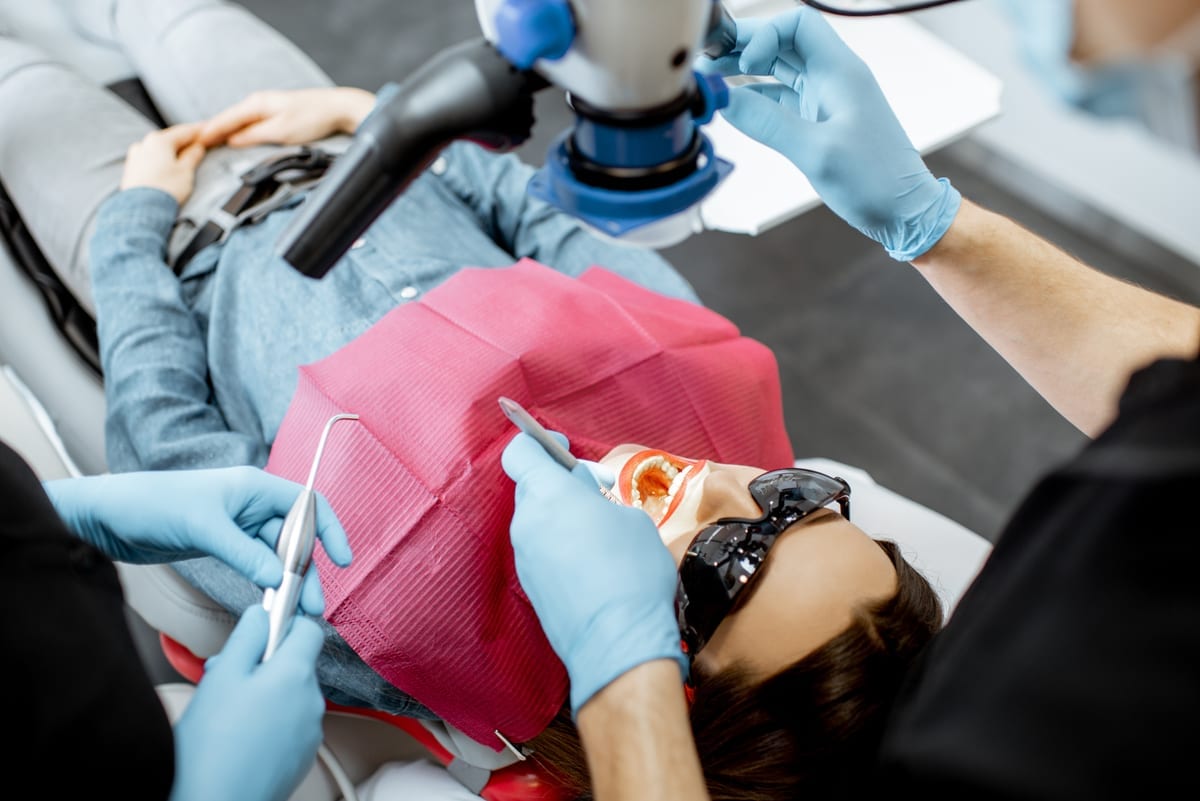
After your tooth is numb, Dr. Dawson creates a small opening in the top of the tooth. This is done with a dental drill, and it can feel similar to a routine filling appointment. You may hear a buzzing sound, but you won’t feel cutting or stinging.
Some patients notice a mild vibration or pressure during this step. That’s completely normal. Pressure and pain are very different sensations — and with proper numbing, you only feel the former.
It helps to focus on your breathing during this phase. Slow, steady breaths keep your body relaxed. Our team at Dawson Modern Dentistry checks in with you throughout to make sure you’re comfortable.
Inside the Root Canal: Cleaning and Shaping the Canals
This is the core of the procedure — and also the most misunderstood part. Dr. Dawson uses tiny, flexible instruments to remove the infected pulp tissue inside the tooth. Because the area is fully numb, you should feel no sharp pain during this step.
You may feel occasional pressure or a very mild pushing sensation deep in the tooth. Some patients feel nothing at all. The canals are then shaped and cleaned with a series of small files.
Here’s what the cleaning process involves:
- Removal of infected or inflamed pulp tissue
- Shaping of each canal with precise, flexible instruments
- Irrigation with an antiseptic solution to eliminate bacteria
- Checking canal length with a small X-ray or electronic measurement
This step takes the most time — typically 30 to 60 minutes depending on how many canals the tooth has. Molars have more canals than front teeth. Dr. Dawson works carefully to ensure every canal is fully cleaned before moving forward.
Sealing the Tooth and Placing a Crown
Once the canals are clean and dry, Dr. Dawson fills them with a rubber-like material called gutta-percha. This seals the canals and prevents future bacterial invasion. You won’t feel discomfort during this stage — the area is still numb.
After sealing, a temporary or permanent filling is placed on top of the tooth. In most cases, a Dental Crown is recommended to protect the treated tooth long-term. Crowned teeth are far less likely to fracture after a root canal.
If a crown is needed, it’s typically placed at a follow-up appointment. Some patients also ask about Dental Implants if their tooth is not salvageable — Dr. Dawson will always discuss your full range of options honestly.
What to Expect After the Procedure
Once the anesthetic wears off, some soreness is normal. This usually feels like mild tenderness when biting or touching the tooth. It’s similar to the feeling after any dental procedure.
Most patients manage this with over-the-counter pain relievers. The discomfort typically fades within two to three days. Severe or worsening pain should always be reported to our office right away.
Here are some common post-procedure tips from Dr. Dawson:
- Avoid chewing on the treated side until the crown is placed
- Take recommended pain relievers as directed
- Keep the area clean with regular brushing and flossing
- Call the office if swelling or intense pain develops
- Attend your follow-up appointment to complete the restoration
The recovery from a root canal is usually much easier than patients expect. Most people return to normal activities the very next day. Knowing what to expect makes the entire experience far less intimidating.
Why Stallings Patients Choose Dawson Modern Dentistry
Patients from Stallings trust Dr. Ashley Dawson for root canal treatment because she combines clinical precision with genuine compassion. She takes time to explain every step before it happens. You are never left wondering what comes next.
Our Matthews office uses modern techniques and equipment designed to minimize discomfort. From digital X-rays to precise anesthetic delivery, every tool we use is chosen with patient comfort in mind. We want your experience to match your best expectations — not your worst fears.
If you’ve been putting off treatment due to anxiety, we understand. That’s exactly why we take education seriously. An informed patient is a calm patient.
Don’t let fear stand between you and a healthier smile. Book Now to schedule your appointment with our team.
Frequently Asked Questions
Does a root canal hurt during the procedure?
No — with proper local anesthesia, you should not feel pain during the procedure. You may feel pressure or mild vibration, but sharp pain is not expected. If you ever feel discomfort, let Dr. Dawson know immediately so she can adjust your anesthesia.
How long does a root canal take at Dawson Modern Dentistry?
Most root canal procedures take between 60 and 90 minutes. More complex teeth with multiple canals may require a second appointment. Dr. Dawson will give you a realistic time estimate during your consultation.
Is the recovery painful after a root canal?
Mild soreness for one to three days is normal after a root canal. Most patients manage it easily with over-the-counter pain relievers. Severe or lasting pain is uncommon and should be reported to our office.
Why do I need a crown after a root canal?
A root canal removes the inner tissue that kept the tooth nourished. This makes the tooth more brittle and prone to cracking. A dental crown protects the treated tooth and restores its full function and strength.
Can I drive myself home after a root canal?
Yes, in most cases. Root canal treatment uses local anesthesia only, which does not affect your ability to drive. If you’ve been given a sedative medication, you will need someone to drive you home.
More Blog Posts

August 24, 2026
Your Smile Makeover Awaits: What Happens at Each Bonding Appointment

August 17, 2026
Unbearable Tooth Pain at 2 AM: Your Real Options Right Now
August 10, 2026
Make Your Dental Crown Last: The Complete Care Guide for Matthews Patients

August 3, 2026
Midnight Tooth Pain: Your Real Options Beyond the ER Visit

July 27, 2026