
Types of Dental Crowns: How to Choose the Best One for Your Smile
January 5, 2026
Dental Crowns
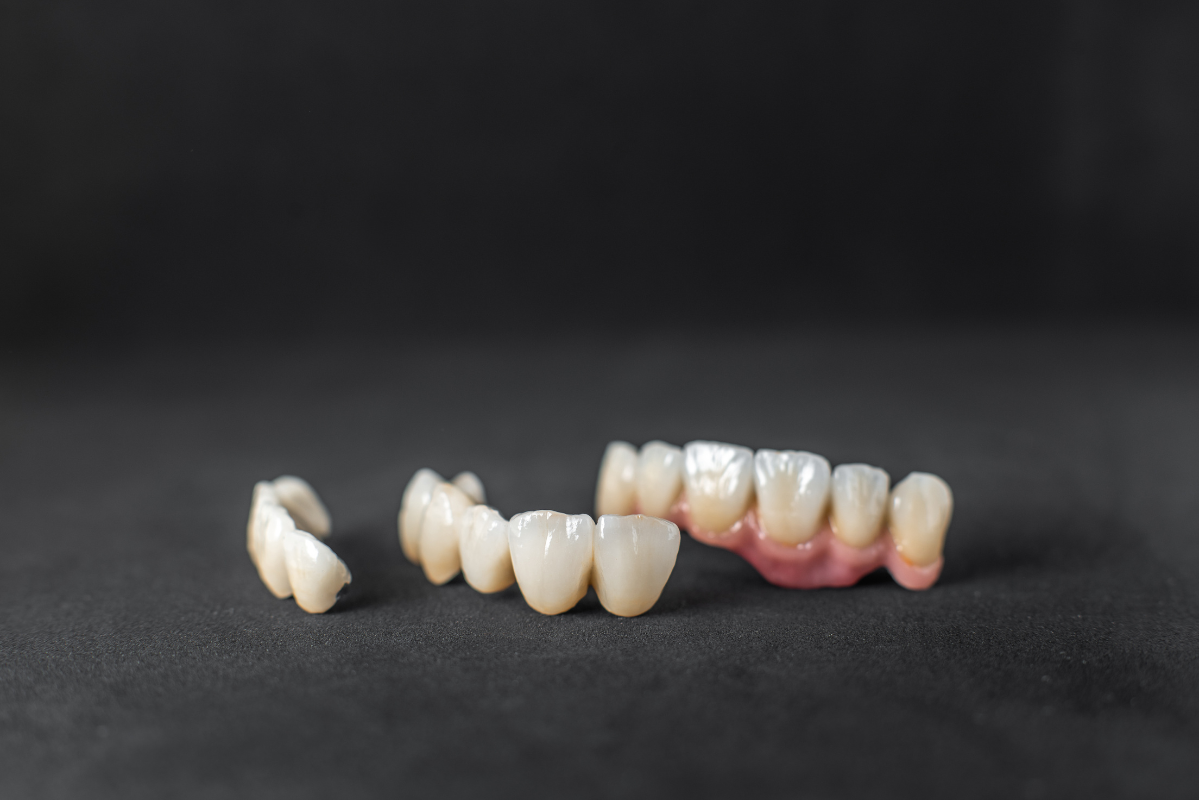
When it comes to fixing teeth that may have decayed or been damaged, dental crowns are among the best options available. A crown is a tailored cap designed to fit over a tooth to restore its shape, size, strength, and appearance. This is mostly applicable when a person undergoes a root canal treatment.
If you are considering a crown, it is essential to understand the various types of crowns and how each suits your needs. This blog will help you identify each crown type and find the one that suits you.
What Are Dental Crowns?
A dental crown is essentially a tooth-shaped layer designed to fit over a damaged and weak tooth. The crown is applied to restore your tooth’s shape, size, strength, and appearance, shielding it from further damage while also providing you with a cosmetic solution to your tooth’s appearance. From a root canal to a broken tooth, if you need a crown, it is essential to consider which material to use, as it makes all the difference.
The Crown Placement Process
The dental crown procedure usually involves two visits. On your first visit, your dentist will prepare your tooth. This is followed by the removal of any decayed or damaged portions. Then, your dental impression will be taken. This impression will then be forwarded to a dental laboratory, where your crown will be created. A temporary crown will be provided for you in the meantime. On your second visit, your permanent dental cap will then be cemented in place.
Benefits of Dental Crowns
Crowns are popular for their multiple benefits. Some advantages of them include:
- Function Restoration: Crowns can restore the function of a tooth compromised by decay or damage.
- Protecting Your Tooth: Crowns can prevent future damage to your tooth, such as decay, especially if you have had a root canal.
- Aesthetics Enhancement: The crowns are used to improve the appearance of discolored, cracked, or chipped teeth.
Types of Dental Crowns
There are many types of dental crowns in Matthews, NC, each with its own benefits. The particular type to choose depends on what you need, and your dentist can advise you accordingly. Here is a description of the common ones:
1. Porcelain Crowns
Porcelain crowns are very commonly opted for because they have a very natural look. They are very suitable for the front part of the mouth because they have the same colour and translucency as your natural tooth.
Advantages of porcelain crowns:
- Natural appearance
- Suitable for front teeth
- Resistant to stains
Best suited for: People who need a crown that blends well with their smiles.
2. Porcelain-Fused-to-Metal Crowns (PFM)
They contain the strength of metal combined with the appearance of porcelain. Being made of metal, they can withstand the wear, while the porcelain finish is more attractive.
Advantages of PFM crowns:
- Strong and resilient
- Natural look
- Less likely to wear down the opposing teeth
Best suited for: People who require highly durable, long-lasting tooth crowns for both front and back teeth.
3. Metal Crowns
Manufactured from a combination of metals, including gold and alloys, metal crowns are prized for their strength and durability. Metal crowns are ideal for back teeth, where strength is more important than aesthetics.
Advantages of metal crowns:
- Highly durable
- Long-lasting
- Minimal wear on surrounding teeth
Best suited for: A patient who needs a crown for a molar or another back tooth and isn’t concerned about appearance.
4. Zirconia Crowns
Zirconia is a strong, durable, and esthetic material that is frequently used for crown construction. It is relatively new compared to porcelain and metal crown solutions, as it offers an outstanding balance between durability and esthetics.
Benefits of zirconia crowns:
- More resilient than porcelain
- Natural-looking
- Highly durable
Best suited for: People who require a strong crown on front and posterior teeth, and also want an aesthetic appearance.
5. Resin Crowns
These are made from composite materials and are commonly used temporarily until a permanent crown can be fitted. Although they are relatively cheap, they aren’t very durable.
Advantages of resin crowns:
- Quick & easy to place
- Cost-effective
- Recent projects
- A good temporary solution
Best suited for: Patients requiring a temporary solution and/or those with a low budget.
6. E-Max Crowns
E-Max crowns are made from ceramic. This material is both sturdy and aesthetic. These crowns are best suited for people who want both aesthetics and durability.
Advantages of E-Max crowns:
- Natural, aesthetically pleasing
- Strong and durable
- Resistant to chipping
Best suited for: People who need a crown with high aesthetic value for front or back teeth.
How to Choose the Right Crown for Your Smile
Selecting the right crown is always a personal choice, dependent on many factors, including the position of the tooth you are crowning and your lifestyle. The following are some helpful tips for making the right decision for yourself.
- Location of the Tooth: For molars, where durability is essential, the most appropriate crowns could be metal or zirconia. In the front teeth, the most appropriate crowns will be made out of porcelain or PFM.
- Aesthetic Goals: If you are seeking a crown that blends well with your teeth, consider porcelain, zirconia, or E-Max crowns. These crowns will have a natural appearance and cannot be distinguished from your own teeth.
- Strength and Durability: If you are looking for a crown that will last a long time, metal and zirconia crowns are highly durable.
- Budget & Longevity: While resin crowns are more budget-friendly, they may not prove to be as durable. Porcelain & PFM crowns offer an optimal balance of longevity for the budget spent, while metal crowns may cost more but are very durable.
Ready to Restore Your Smile with a Dental Crown?
At Dawson Modern Dentistry in Matthews, NC, we are passionate about delivering quality dental care to meet all your dental needs. Whether you need a crown for cosmetic purposes or to repair a damaged tooth, we are here to guide you in making the right decision for your smile.
If you are ready to learn more about dental crowns and how they can improve your smile, call us today to schedule an appointment. We look forward to helping you achieve the smile you have dreamed of.
FAQs
- How long do dental crowns last?
Dental crowns typically last 10-15 years, depending on factors such as the material used and how well you maintain your oral hygiene. Regular brushing, flossing, and professional dental visits can help maximize the longevity of your crown, keeping your smile healthy for years. - Are dental crowns painful?
Getting a dental crown is generally pain-free thanks to local anesthesia. You may experience slight discomfort or sensitivity after the procedure, but it is usually minimal and resolves within a few days, ensuring a smooth recovery. - How do I take care of my dental crown?
Taking care of your dental crown is easy. Brush and floss daily, just as you would your natural teeth. Avoid biting into hard foods or using your crown to chew ice, and visit your dentist regularly for checkups to maintain your crown’s condition. - Can I eat normally with a dental crown?
Yes, once your dental crown is placed, you can eat normally. However, it’s advisable to avoid very hard or sticky foods, as they can damage the crown or cause discomfort. With proper care, you can enjoy all your favorite foods without worry. - Can I get a crown after a root canal?
Yes, a dental crown is commonly placed after a root canal. The crown helps protect the treated tooth from further damage, restores its function, and ensures that it remains strong and stable, allowing you to continue chewing and speaking comfortably.
More Blog Posts

March 10, 2026
How Long Do Dentures Last? Lifespan, Maintenance, and Replacement Tips

March 6, 2026
Is Dental Bonding Safe for Teeth? Long-Term Effects Explained
March 5, 2026
What Can Dental Bonding Fix? Chips, Gaps & Discoloration
March 5, 2026
How Long Do Dental Fillings Last?
February 4, 2026