
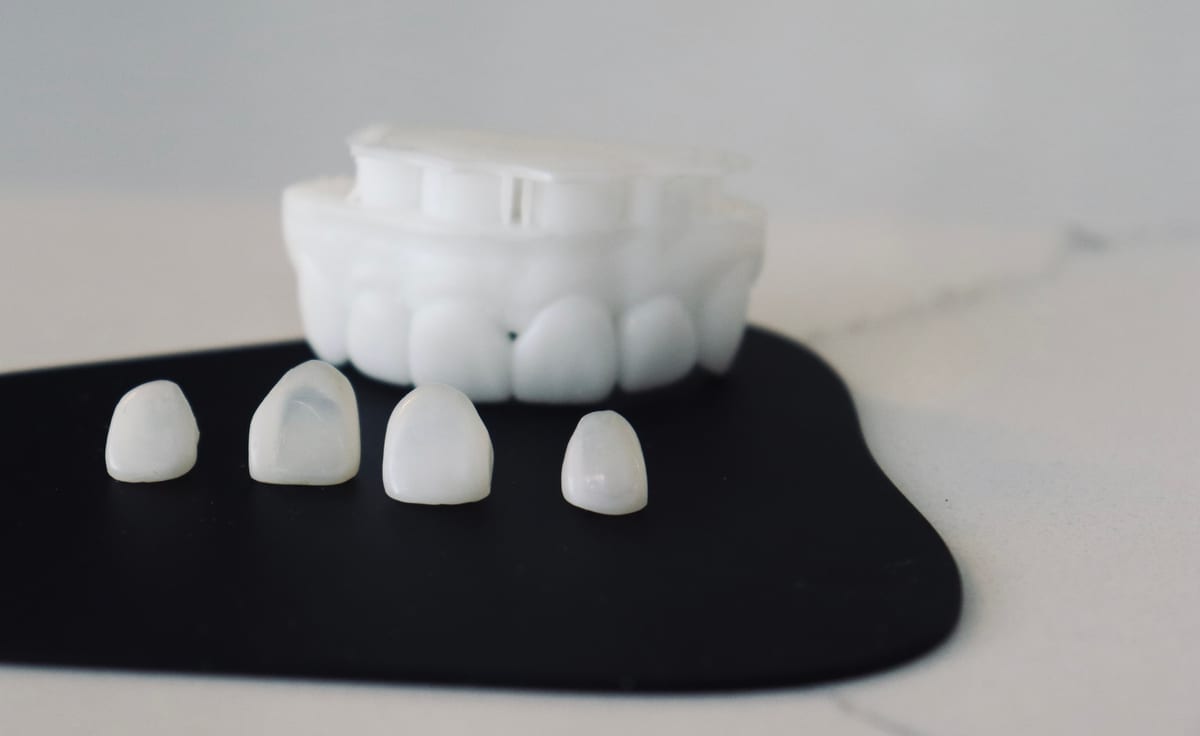
Porcelain vs. Composite Veneers: Which Investment Actually Lasts
October 12, 2026
Dental Health
Choosing between porcelain and composite veneers is one of the most common decisions patients face in cosmetic dentistry. When weighing porcelain vs. composite veneers in Matthews, the right choice depends on your budget, timeline, and long-term goals. Both options can dramatically improve your smile. But they differ in meaningful ways that affect how long your results actually last.
At Dawson Modern Dentistry in Matthews, NC, Dr. Ashley Dawson helps patients understand these differences before committing to treatment. This guide breaks down each type across five key areas: aesthetics, durability, repairability, cost, and procedure. By the end, you’ll have a clearer picture of which investment makes sense for you.
Porcelain vs. Composite Veneers: Aesthetics and Appearance
Porcelain veneers are widely considered the gold standard for aesthetics. They mimic the light-reflecting properties of natural enamel. This creates a translucent, lifelike appearance that’s hard to replicate with other materials.
Composite resin veneers have improved significantly over the years. A skilled dentist can sculpt composite to look very natural. However, composite tends to appear slightly more opaque than porcelain under certain lighting conditions.
Porcelain is also more resistant to staining. Coffee, tea, and red wine are less likely to discolor a porcelain surface. Composite resin, on the other hand, can absorb pigment over time and may yellow with heavy staining habits.
For patients who prioritize a flawless, camera-ready smile, porcelain typically delivers a more dramatic transformation. Composite is still a beautiful option — especially when applied by an experienced cosmetic dentist like Dr. Dawson.
Durability and Longevity: Which Veneer Type Actually Lasts?
Porcelain veneers are exceptionally durable. With proper care, they last between 10 and 25 years. They resist chipping better than composite under normal conditions.
Composite veneers typically last 5 to 7 years before needing replacement or significant touch-ups. They are more vulnerable to chipping and wear from biting forces. Habits like nail-biting or grinding can shorten their lifespan considerably.
Consider these durability highlights when comparing both options:
- Porcelain veneers: Last 10–25 years with good oral hygiene
- Composite veneers: Last 5–7 years on average before replacement
- Porcelain: Highly stain-resistant and chip-resistant
- Composite: More prone to surface staining and minor chipping
- Both types: Benefit from regular dental cleanings and night guards if grinding is present
For patients in Matthews who want a long-term solution, porcelain often wins on durability. But composite can still be a smart choice for the right candidate.
Repairability, Cost, and the Procedure Involved
One of composite’s biggest advantages is repairability. If a composite veneer chips or cracks, your dentist can often fix it chairside in a single visit. The repair blends directly into the existing material.
Porcelain veneers cannot be repaired the same way. A damaged porcelain veneer typically requires full replacement. That means a new impression, a lab fabrication period, and an additional appointment.
Cost is another major difference. Here’s how the two options generally compare:
- Composite veneers: Lower upfront cost per tooth
- Porcelain veneers: Higher upfront investment but longer lifespan
- Long-term value: Porcelain may cost less over decades due to fewer replacements
- Composite: More accessible for patients seeking immediate improvement on a tighter budget
The procedure also differs significantly between the two. Porcelain veneers require at least two appointments. Your dentist removes a thin layer of enamel, takes impressions, and sends the case to a dental lab. Temporary veneers protect your teeth in the meantime. You return once the final restorations are ready.
Composite veneers are typically completed in one visit. Your dentist applies resin directly to your tooth, shapes it by hand, and hardens it with a curing light. No lab work is needed. This makes composite a popular choice for patients with scheduling constraints.
It’s worth noting that enamel removal for porcelain veneers is largely irreversible. Once prepared, those teeth will always need coverage. Composite often requires little to no enamel removal, making it a more conservative option in some cases.
Which Veneer Type Is Right for Matthews Patients?
The best veneer choice depends on your individual situation. There’s no single answer that works for everyone. Dr. Dawson evaluates each patient’s oral health, smile goals, and lifestyle before making a recommendation.
Porcelain veneers tend to be a better fit for patients who:
- Want results that last 15 or more years
- Have significant discoloration or tooth irregularities
- Prioritize the most natural-looking finish possible
- Are committed to a multi-appointment process
Composite veneers may be the better fit for patients who:
- Have a lower upfront budget
- Want results in a single visit
- Prefer a reversible or minimally invasive approach
- Need a temporary solution while planning a longer-term treatment
Some patients in Matthews also combine veneers with other treatments. For example, Dental Implants Matthews can replace missing teeth while veneers improve the appearance of remaining natural teeth. Similarly, Dental Crowns Matthews may be recommended for teeth that need more structural support than veneers can provide. Dr. Dawson takes a comprehensive approach to help each patient achieve a balanced, healthy smile.
Caring for Your Veneers After Treatment
Regardless of the type you choose, proper aftercare extends the life of your veneers. Good habits protect your investment and keep your smile looking its best.
Follow these tips to maintain your veneers long-term:
- Brush twice daily with a non-abrasive toothpaste
- Floss daily to prevent gum disease around veneer margins
- Avoid biting hard objects like ice, pens, or fingernails
- Wear a night guard if you grind your teeth during sleep
- Visit Dawson Modern Dentistry for regular cleanings and checkups
Staining foods and beverages affect composite more than porcelain. Limiting coffee, tea, and dark sodas helps both types last longer. If you smoke, quitting will significantly improve your long-term results.
Routine dental visits allow Dr. Dawson to monitor your veneers and catch any early signs of wear or damage. Addressing small issues early prevents larger problems down the road.
Making the Final Decision in Matthews
Comparing porcelain vs. composite veneers as a long-term investment in Matthews comes down to priorities. Porcelain wins on aesthetics, durability, and stain resistance. Composite wins on cost, repairability, and convenience. Neither choice is wrong — it simply depends on what matters most to you.
Dr. Ashley Dawson and the team at Dawson Modern Dentistry are here to guide you through every step of the decision. A personalized consultation will help you understand which veneer type aligns with your smile goals and lifestyle. You deserve results that feel right and last for years to come.
Ready to explore your options with a trusted cosmetic dentist in Matthews? Book Now to schedule your appointment with our team.
Frequently Asked Questions
How long do porcelain veneers last compared to composite?
Porcelain veneers typically last between 10 and 25 years with proper care. Composite veneers generally last 5 to 7 years before they need replacement or significant touch-ups. Porcelain is the more durable long-term option for most patients.
Can composite veneers be repaired if they chip?
Yes. One of the key advantages of composite veneers is that chips and minor damage can often be repaired chairside in a single visit. Porcelain veneers, by contrast, usually require full replacement if they are damaged significantly.
Is the porcelain veneer procedure painful?
Most patients experience little to no discomfort during the porcelain veneer procedure. Your dentist will use local anesthetic during the enamel preparation stage. Mild sensitivity after the appointment is common but typically resolves within a few days.
Do composite veneers stain over time?
Composite resin is more porous than porcelain and can absorb pigments from food and drinks over time. Regular polishing during dental cleanings helps manage surface staining. Limiting coffee, tea, and dark beverages also slows the staining process.
Can veneers be combined with other dental treatments?
Absolutely. Many patients pair veneers with other treatments for a complete smile makeover. Veneers focus on the visible surface of teeth, while options like dental implants or crowns address structural and replacement needs. Dr. Dawson can create a customized treatment plan that combines multiple services for the best overall result.
More Blog Posts
October 19, 2026
Are You Actually a Candidate for Dentures? Here’s What to Expect
October 12, 2026
Porcelain vs. Composite Veneers: Which Investment Actually Lasts

August 24, 2026
Your Smile Makeover Awaits: What Happens at Each Bonding Appointment

August 17, 2026
Unbearable Tooth Pain at 2 AM: Your Real Options Right Now
August 10, 2026