
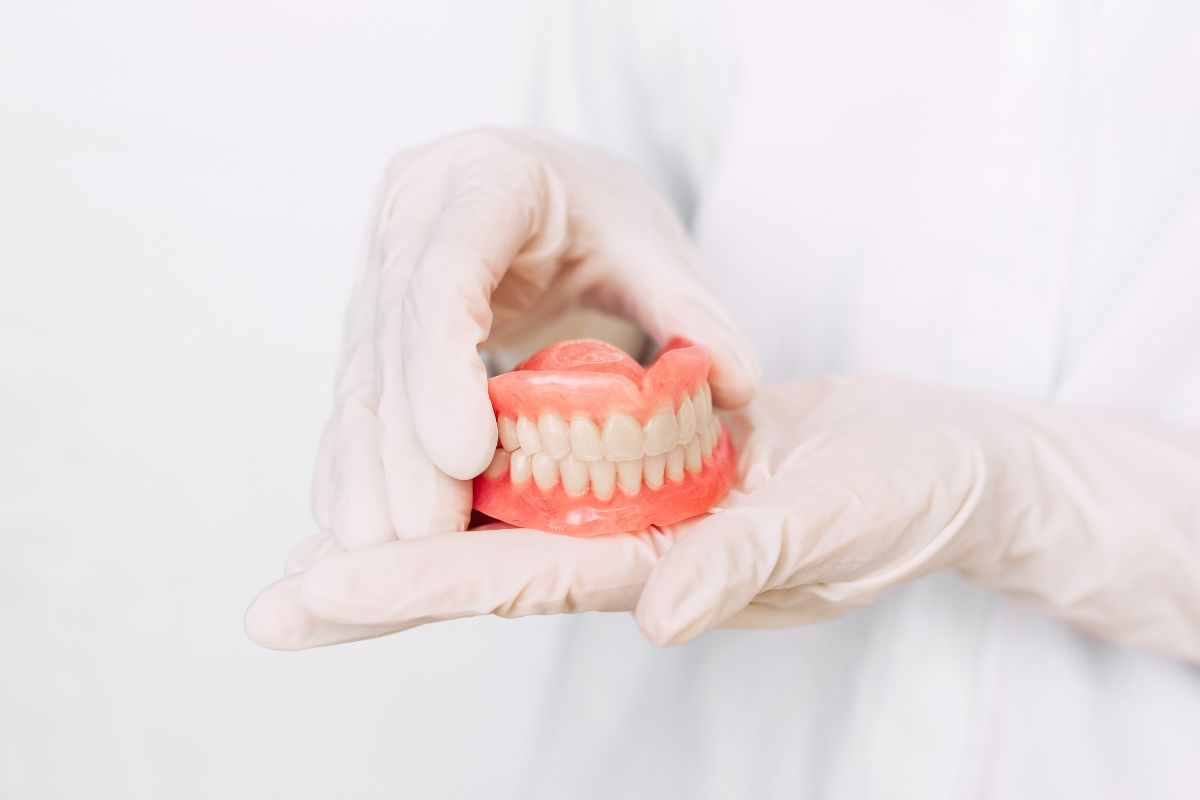
Eating with Dentures: 15 Tips for Comfortable Chewing
March 24, 2026
Dentures
Getting used to eating with dentures takes a little time, but the process becomes easier with the right approach. In the beginning, it may feel different, but with practice and a few simple habits, most people quickly regain confidence at mealtimes. The key is to focus on comfort, patience, and gradual adaptation rather than trying to rush the process.
Many patients at Dawson Modern Dentistry share that once they understand how to chew properly and choose foods wisely, eating feels natural again. Whether you’re enjoying a casual meal at a local favorite spot or cooking at home, small adjustments can make a big difference. With consistent practice, you can enjoy a wide range of foods without worry.
This guide walks you through practical, easy-to-follow tips that help you feel more in control and comfortable every time you sit down to eat.
How Dentures Support Everyday Eating
Modern dentures are designed with both function and comfort in mind. They are created to closely mimic natural teeth, allowing you to chew, speak, and smile with ease. With proper fit and care, they support daily activities and help you maintain a normal routine without limitations.
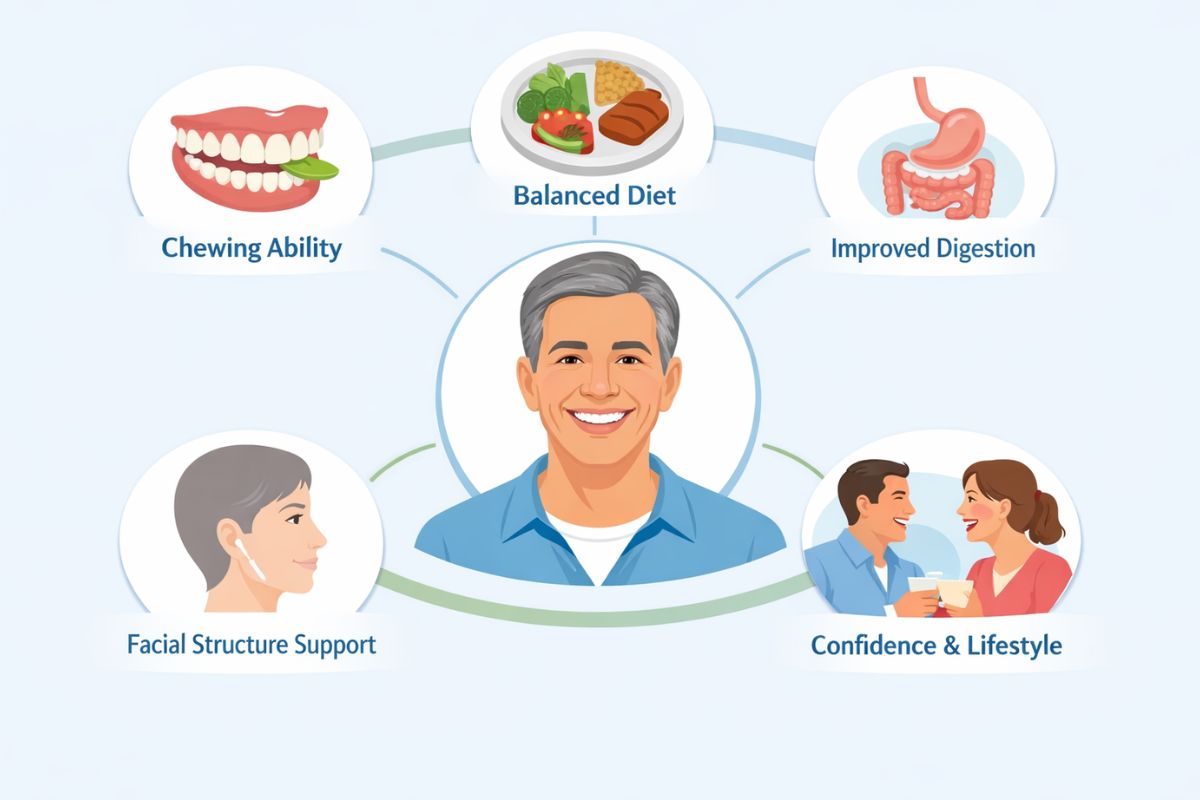
One of the primary benefits is restoring chewing ability. This means you can enjoy meals more comfortably, whether it’s a warm home-cooked dish or something from a local café. Being able to chew properly also supports digestion, which plays an important role in overall health.
Dentures also help maintain a balanced diet. When chewing becomes easier, you’re more likely to include a variety of foods such as vegetables, proteins, and grains. This helps your body get the nutrients it needs to stay active and energized throughout the day.
Another important advantage is the support they provide to your facial structure. By filling out the natural shape of your face, dentures in Matthews help maintain a fuller appearance, which can boost confidence in both social and professional settings.
Overall, they contribute to a better quality of life. From enjoying meals with family to dining out in familiar local spots, you can continue to experience everyday moments comfortably and confidently.
15 Tips for Comfortable Chewing with Dentures

Small changes in your eating habits can make a noticeable difference in comfort and control. These tips are simple, practical, and easy to apply in your daily routine.
Tip 1: Start with Soft Foods
Begin with foods that are easy to chew, like mashed potatoes or scrambled eggs. This helps your mouth adjust gradually and builds confidence without overwhelming you.
Tip 2: Cut Food into Smaller Pieces
Smaller portions are easier to manage. Cutting food into bite-sized pieces allows you to chew more effectively and reduces unnecessary pressure.
Tip 3: Chew Slowly and Evenly
Take your time while eating. Slow, steady chewing helps keep your dentures stable and improves overall comfort.
Tip 4: Use Both Sides of Your Mouth
Distribute food evenly on both sides. This balance prevents shifting and keeps your bite more controlled.
Tip 5: Take Smaller Bites
Avoid large bites. Smaller portions are easier to handle and help you maintain better control during chewing.
Tip 6: Stay Hydrated During Meals
Sipping water while eating keeps your mouth comfortable and helps with swallowing, especially when trying new foods.
Tip 7: Practice with Different Textures
Gradually introduce foods with different textures. This helps you adapt over time and expands your meal options.
Tip 8: Maintain Good Posture While Eating
Sit upright during meals. Good posture supports proper chewing and makes swallowing easier.
Tip 9: Use Denture Adhesive if Recommended
If advised, adhesive can provide extra stability. This can help you feel more secure, especially when eating firmer foods.
Tip 10: Avoid Rushing Through Meals
Take your time to enjoy your food. Eating slowly reduces pressure and improves comfort.
Tip 11: Keep Dentures Clean Before Meals
Clean dentures provide a fresh, comfortable fit. This helps prevent irritation and enhances your eating experience.
Tip 12: Focus on Balanced Nutrition
Include a mix of nutrients in your meals. A well-balanced diet supports energy levels and overall health.
Tip 13: Incorporate Softer Proteins
Foods like fish, eggs, and beans are easier to chew and provide important nutrients without added effort.
Tip 14: Practice Speaking and Eating Together
As you become more comfortable, practice talking while eating in small steps. This improves coordination and confidence in social settings.
Tip 15: Schedule Regular Dental Checkups
Routine visits ensure your dentures continue to fit properly. Adjustments can make a big difference in comfort over time.
Foods That Are Easy and Enjoyable with Dentures
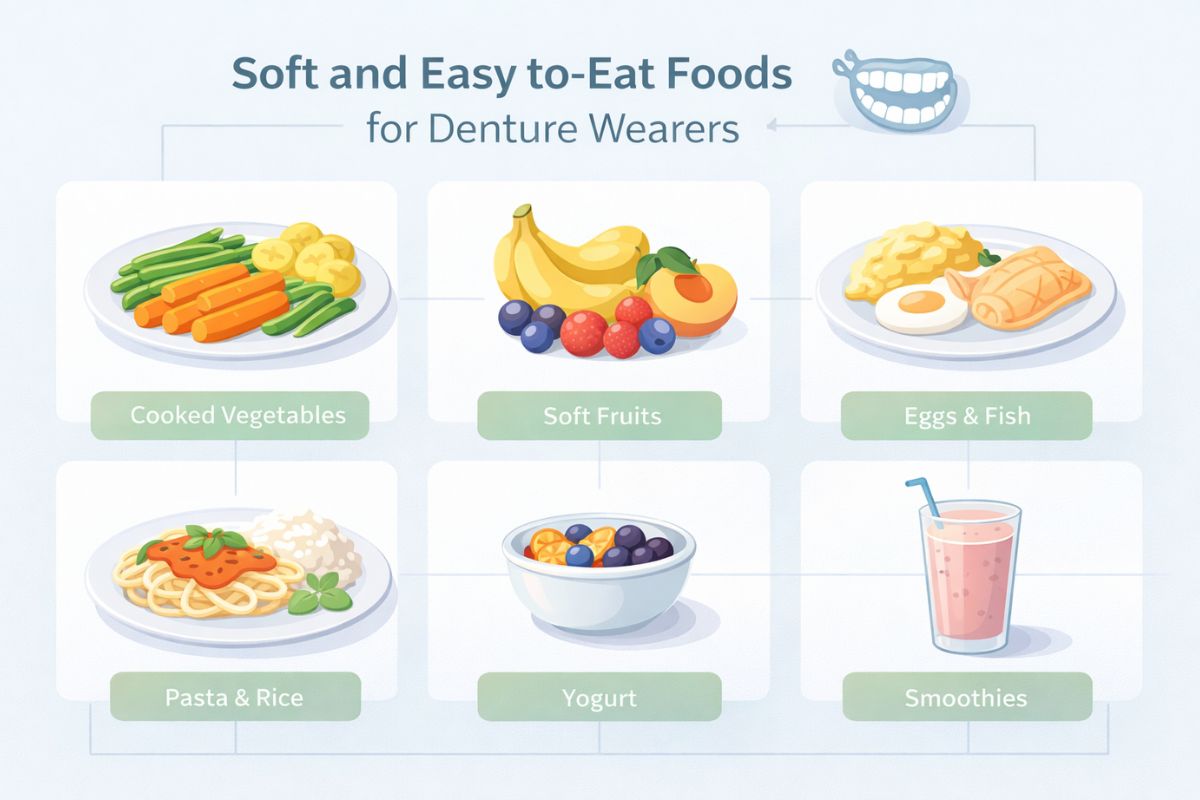
Choosing the right foods can make your eating experience more enjoyable while still keeping meals nutritious and satisfying. Many everyday options are naturally easy to chew and require minimal effort.
Cooked vegetables are a great choice. Steamed carrots, squash, or green beans become soft and easy to manage while still offering important vitamins. Soft fruits like bananas, peaches, and berries are also excellent options that add natural sweetness without difficulty.
Protein-rich foods such as eggs and fish are both nutritious and easy to chew. These options help maintain energy levels while supporting overall health. Pasta and rice dishes are also comfortable choices, especially when paired with well-cooked vegetables or soft proteins.
For snacks or lighter meals, yogurt and smoothies are convenient and refreshing. They are simple to consume and can be customized with different flavors and nutrients.
Whether you’re dining at home or enjoying a relaxed meal at a nearby local restaurant, these food choices make it easier to stay comfortable while still enjoying a variety of flavors.
Building Confidence with Every Meal
Confidence with dentures develops over time. The more you practice, the more natural eating begins to feel. It’s important to remember that every small improvement adds up.
Consistency plays a big role in this process. By following simple habits daily, you allow your mouth to adapt and respond more efficiently. Over time, actions like chewing, swallowing, and even speaking during meals become second nature.
Small habits truly create big improvements. Something as simple as cutting food properly or chewing evenly can make a noticeable difference in how comfortable you feel. These small steps help build trust in your ability to handle different foods.
Confidence also grows with practice. The more you challenge yourself with new textures and meals, the more comfortable you become. Whether you’re enjoying a quiet dinner at home or visiting a local dining spot, each experience helps you feel more at ease.
With patience and the right approach, eating becomes less about adjustment and more about enjoyment.
When to Check in with Your Dental Provider
Regular visits to your dental provider are an important part of maintaining comfort. These appointments are not just for concerns. They help ensure everything continues to work smoothly.
Fit evaluations are essential. Over time, your mouth can change, and your dentures may need slight adjustments to maintain a secure and comfortable fit.
Adjustments, when needed, can improve your overall experience. Even minor refinements can make chewing feel more natural and reduce pressure points.
Professional guidance also plays a key role. Your dental team can offer personalized advice based on your lifestyle and eating habits. They can recommend techniques or products that enhance comfort and efficiency.
At Dawson Modern Dentistry, the focus is on helping patients feel confident and comfortable in their daily routines. Regular check-ins ensure that your dentures in Matthews continue to support your needs effectively.
Eating with dentures can feel natural, comfortable, and enjoyable when you follow the right approach. With time, patience, and consistent habits, you can regain confidence and enjoy a wide variety of foods without hesitation.
The key is to start slow, make small adjustments, and build your comfort step by step. Every meal becomes an opportunity to improve and feel more in control.
If you’re ready to feel more confident while eating or want to ensure everything fits just right, the team at Dawson Modern Dentistry is here to help. Schedule your visit today and take the next step toward a more comfortable and enjoyable everyday experience.
What People Ask
How long does it take to adjust to eating with dentures?
Most people adapt within a few weeks as their muscles learn new chewing patterns. Regular practice and consistent habits help speed up the adjustment process.
Can you eat normally with dentures over time?
Yes, as comfort improves, most foods can be enjoyed with proper techniques. Gradual progression and mindful chewing make everyday meals feel natural again.
Why does food feel different when chewing with dentures?
Dentures change how pressure is distributed while chewing. Over time, your mouth adjusts, and the sensation becomes more familiar and controlled.
Is it better to chew slowly with dentures?
Yes, slower chewing allows better control and prevents shifting. It also helps you manage food textures more comfortably and safely.
Can dentures affect how I swallow food?
Swallowing may feel different at first due to changes in chewing patterns. With practice and proper hydration, it becomes smooth and natural again.
More Blog Posts
March 24, 2026
Eating with Dentures: 15 Tips for Comfortable Chewing

March 10, 2026
How Long Do Dentures Last? Lifespan, Maintenance, and Replacement Tips

March 6, 2026
Is Dental Bonding Safe for Teeth? Long-Term Effects Explained

March 5, 2026
What Can Dental Bonding Fix? Chips, Gaps & Discoloration
March 5, 2026