
Dental Implant Healing Timeline: Week-by-Week Guide
April 8, 2026
Dental Implants
Are you considering dental implants and wondering how long the healing process takes? If so, you’re not alone! Dental implants are an excellent solution for replacing missing teeth, but understanding the healing timeline is crucial for ensuring the success of the procedure.
At Dawson Modern Dentistry, we’re committed to making your dental implant journey as smooth as possible. This detailed, week-by-week guide will walk you through the healing stages you can expect after your dental implant surgery. From initial discomfort to complete recovery, we’ll provide you with all the information you need to care for your implants and optimize your healing process.
Understanding Dental Implants
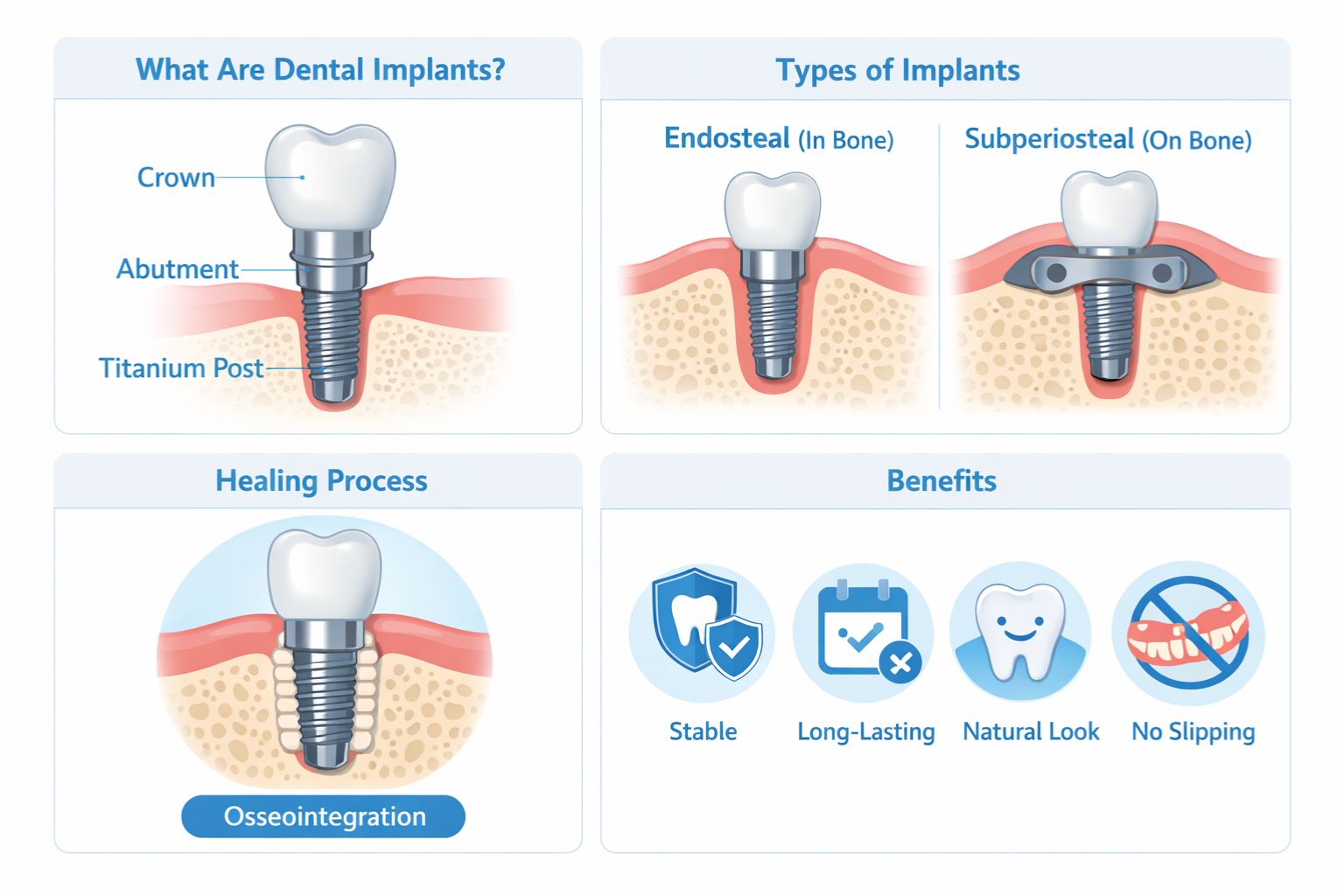
Dental implants are artificial tooth roots placed into your jawbone to support a replacement tooth or bridge. Unlike dentures, which can slip and affect speech, implants are securely anchored into the bone and provide a permanent solution for missing teeth.
There are two common types of dental implants: endosteal implants and subperiosteal implants. Endosteal implants are placed directly into the jawbone, while subperiosteal implants rest on top of the jawbone, under the gums. Your dentist will recommend the best type based on your individual needs and jawbone health.
The healing process plays a crucial role in the long-term success of your dental implants in Matthews. The integration of the implant with the jawbone (called osseointegration) is essential for the implant’s stability. It’s important to follow your dentist’s aftercare instructions carefully to ensure proper healing and avoid complications.
Week 1: Immediately After the Procedure
What to Expect:
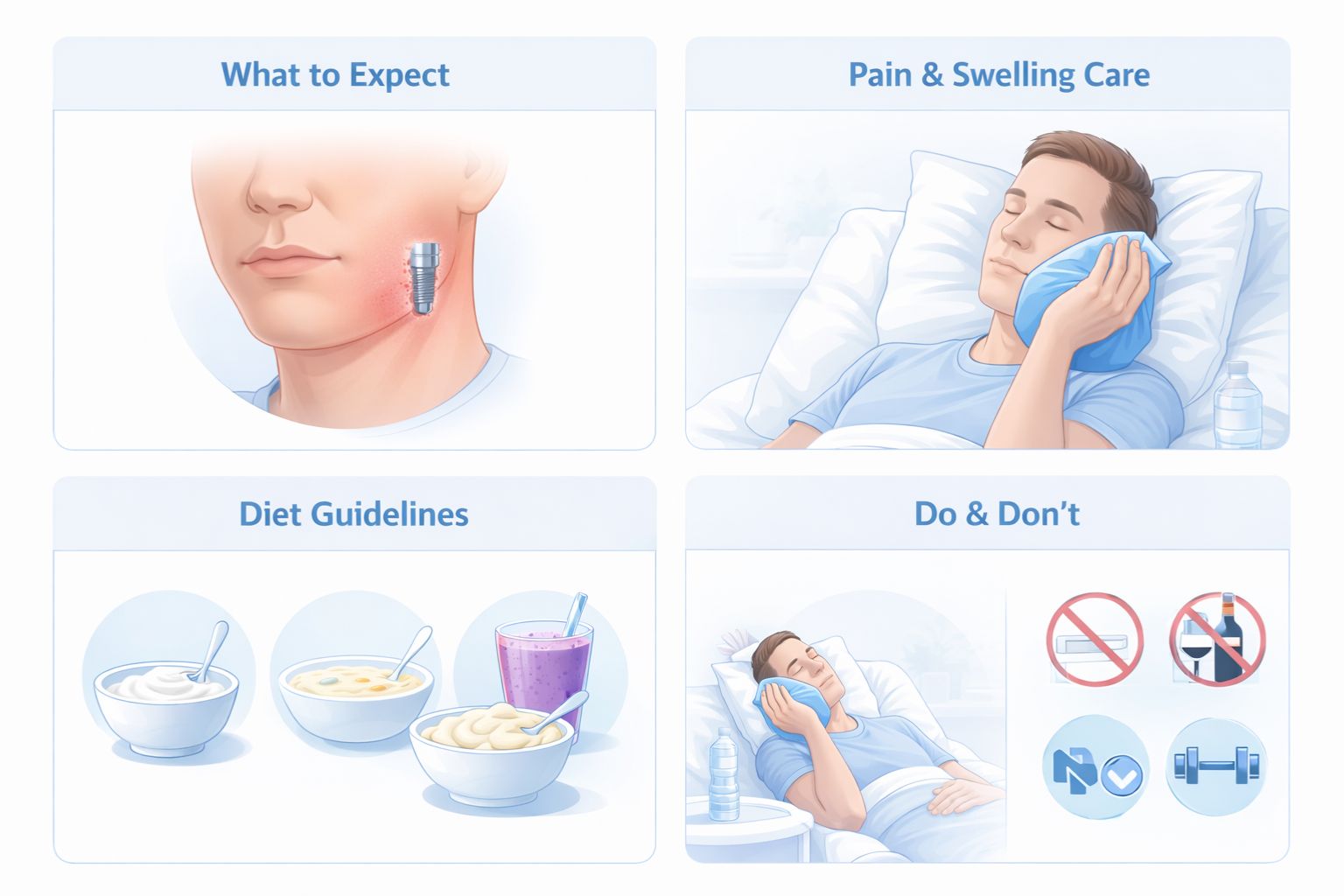
After your dental implant surgery, you may experience some discomfort and swelling. These are normal reactions to the procedure and part of the healing process. Swelling typically peaks within the first 48 hours and will gradually subside.
It’s also common to experience some minor bleeding immediately after the surgery, but this should stop within a few hours.
Post-Surgery Care:
Managing pain and swelling is crucial in the first few days after the procedure. Ice packs can help reduce swelling. Apply an ice pack to the affected area for 15-20 minutes every hour for the first two days.
Medications prescribed by your dentist, such as pain relievers or antibiotics, should be taken as directed to keep pain and infection at bay. Keep your head elevated while resting to minimize swelling.
Diet and Activities:
In the first week, stick to soft foods that don’t require much chewing. Ideal options include yogurt, smoothies, mashed potatoes, and soup. Avoid hot, spicy, or hard foods, as they can irritate the surgical site.
Stay away from alcohol and smoking, as they can interfere with the healing process. As for physical activities, take it easy. Avoid vigorous exercise or heavy lifting that could increase blood flow to the surgical site, potentially increasing swelling or causing complications.
Week 2: Early Healing Phase
Physical Changes:
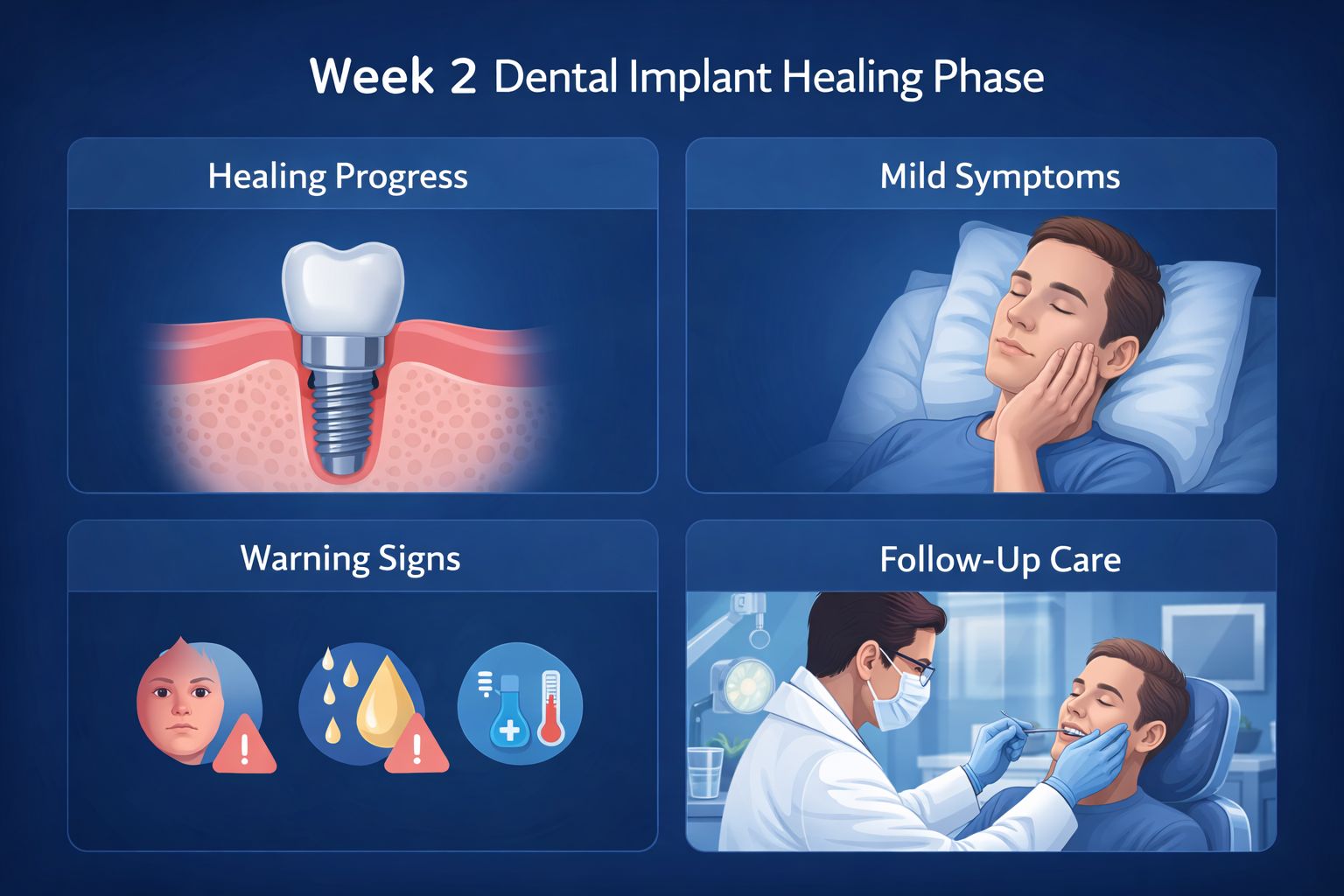
During the second week, your gum tissue will begin to heal, although you might still experience some minor tenderness and swelling. The healing process will progress with the soft tissue around the implant gradually closing up, and any bleeding you experienced will stop.
The bone is still in the early stages of integrating with the implant, so it’s important to be patient during this period.
Signs of Infection:
While some swelling and discomfort are normal, you should be on the lookout for signs of infection. These include unusual or excessive swelling, pus drainage from the surgical site, or a fever.
If any of these symptoms occur, it’s crucial to contact Dawson Modern Dentistry immediately to prevent complications.
Follow-Up Appointment:
The second week is a crucial time for your recovery, so it’s essential to attend your follow-up appointment. Your dentist will check the healing progress and ensure that there are no complications.
This visit is also an opportunity to ask any questions about your recovery and receive guidance on how to care for the implant moving forward.
Week 3 to 4: Integration of the Implant
Osseointegration Process:
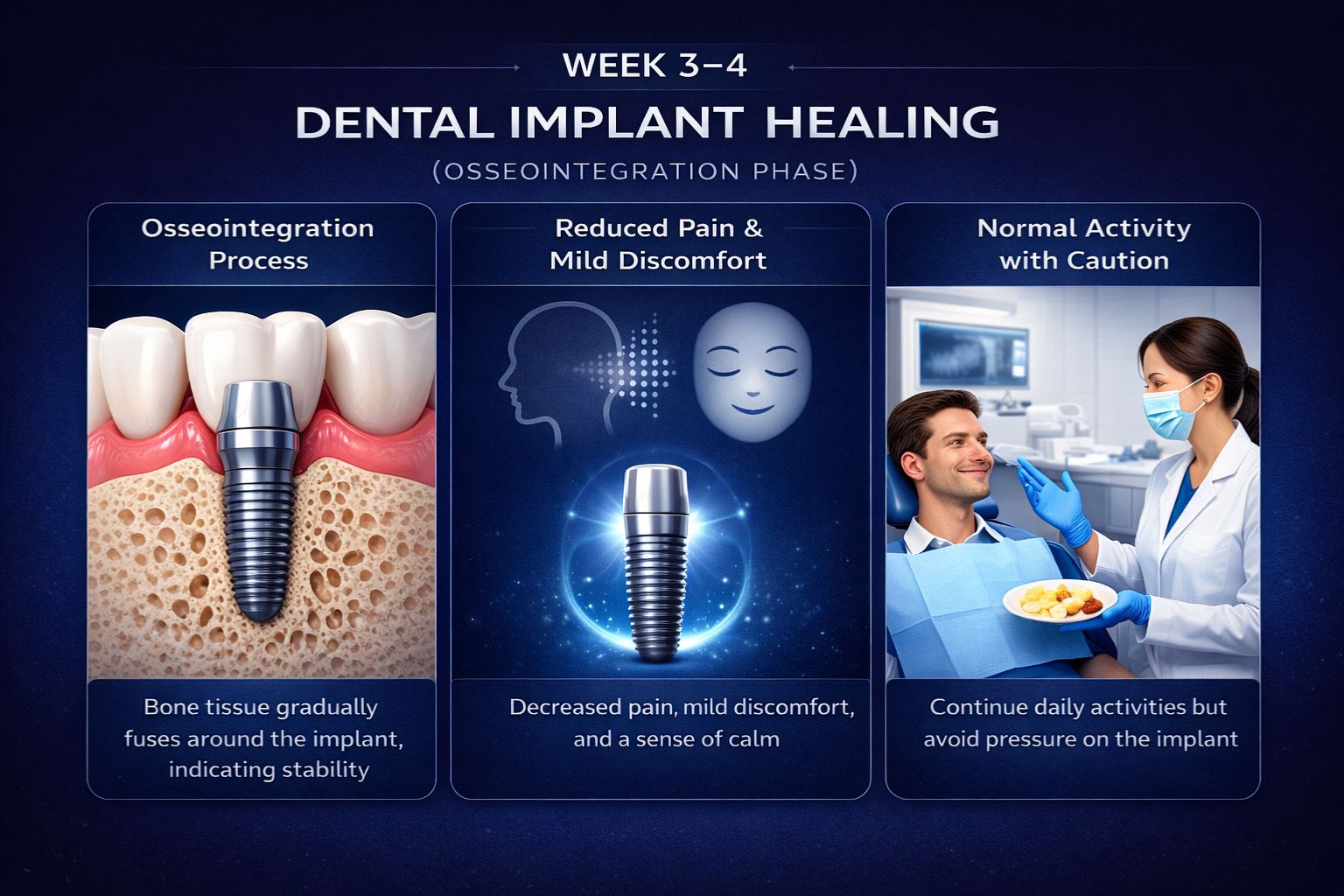
During weeks 3 and 4, the implant begins to integrate with the jawbone in a process known as osseointegration. This is a critical step for the success of your dental implant. The bone tissue starts to fuse with the implant, making it a permanent and stable part of your jaw.
This process takes several months, but by weeks 3 to 4, the healing is well underway, and the implant should feel more secure.
Pain and Discomfort:
By this point, any significant pain should have subsided. However, it’s still possible to feel some mild discomfort as the bone fuses with the implant.
Any lingering sensitivity should gradually fade. If pain persists or worsens, it’s important to contact your dentist to rule out any complications.
Activity Recommendations:
During this phase, you can resume most of your regular activities, but avoid any strenuous physical exercise that could disrupt the healing process. It’s important to follow your dentist’s instructions regarding the use of the implant.
For example, you may still need to avoid chewing directly on the implant for a few more weeks to give the bone time to fully integrate.
Months 2 to 3: Continued Healing and Follow-Up
Signs of Progress:
By the second to third month, you’ll likely notice that most of the initial healing is complete. Swelling and tenderness should be gone, and you’ll see your implant begin to stabilize within the jaw. The bone is continuing to fuse with the implant, although the full process of osseointegration may take several more months.
Soft Tissue Healing:
The gum tissue surrounding the implant will continue to heal and mature, helping to create a strong, healthy foundation for the final restoration. You may notice the gums becoming firmer around the implant, and any previous discomfort should be minimal by this time.
X-rays and Checkups:
Your dentist will likely perform an X-ray to monitor the progress of osseointegration and ensure the implant is healing properly. These regular checkups are important for assessing the success of the dental implants in Matthews and ensuring there are no complications. If necessary, your dentist may suggest additional treatments to support the healing process.
Months 4 to 6: The Final Stages of Healing
Bone Integration:
During months 4 to 6, the final stages of osseointegration occur, where the implant fully integrates with your jawbone. This phase is critical, as it ensures the implant is strong enough to support a permanent dental crown, bridge, or other restoration.
Preparing for the Restoration:
Once the implant has fully fused with the bone, your dentist will prepare you for the next step: placing your dental crown or bridge. This step marks the transition from the healing process to the functional use of your implant. Your dentist will take impressions and create a custom restoration that matches your natural teeth, ensuring a seamless fit.
Potential Delays:
In some cases, healing may take longer, particularly if additional procedures like bone grafting were needed. Bone grafting is often used in patients with insufficient bone density, which can slow down the osseointegration process. Be sure to follow your dentist’s advice and be patient during this period.
Month 6 and Beyond: Final Results and Care
Fully Healed:
By the sixth month, the implant should be fully healed, and you’ll likely have your new restoration in place. The implant will be fully integrated into your jawbone, and the surrounding gums will be healed and healthy.
Maintenance Tips:
Long-term care for your dental implant is crucial for ensuring its longevity. Continue to practice excellent oral hygiene by brushing and flossing regularly, especially around the implant site. Regular checkups with Dawson Modern Dentistry will help ensure that your implant stays in good condition.
Potential Complications:
While rare, complications can arise if the implant is not properly cared for. Avoid habits such as smoking or grinding your teeth, as these can increase the risk of implant failure. Keep up with regular checkups and practice good oral hygiene to ensure the long-term success of your dental implant.
Following the proper healing timeline is key to achieving the best results with your dental implants. By understanding the healing stages, you can manage your recovery and ensure the implant integrates successfully into your jaw.
If you’re ready to explore the benefits of dental implants, don’t hesitate to contact Dawson Modern Dentistry for a consultation. Our expert team is here to guide you through every step of the process, ensuring you achieve a beautiful, functional smile that lasts a lifetime.
Frequently Asked Questions
How long does it take for dental implants to heal?
Healing typically takes 3 to 6 months, depending on the individual and the type of implant procedure.
Can I eat normally after dental implant surgery?
For the first week, stick to soft foods and avoid chewing on the implant site to prevent irritation and aid healing.
When can I return to my normal activities?
You can resume light activities after a week, but avoid strenuous exercise or heavy lifting for the first month.
Can I smoke during the healing process?
It’s best to avoid smoking, as it can slow down the healing process and increase the risk of complications.
What signs indicate an infection after implant surgery?
Look for unusual swelling, pus, fever, or increased pain. Contact your dentist if you notice any of these symptoms.
More Blog Posts
April 8, 2026
Dental Implant Healing Timeline: Week-by-Week Guide
March 24, 2026
Eating with Dentures: 15 Tips for Comfortable Chewing

March 10, 2026
How Long Do Dentures Last? Lifespan, Maintenance, and Replacement Tips

February 23, 2026
Is Dental Bonding Safe for Teeth? Long-Term Effects Explained

February 16, 2026