
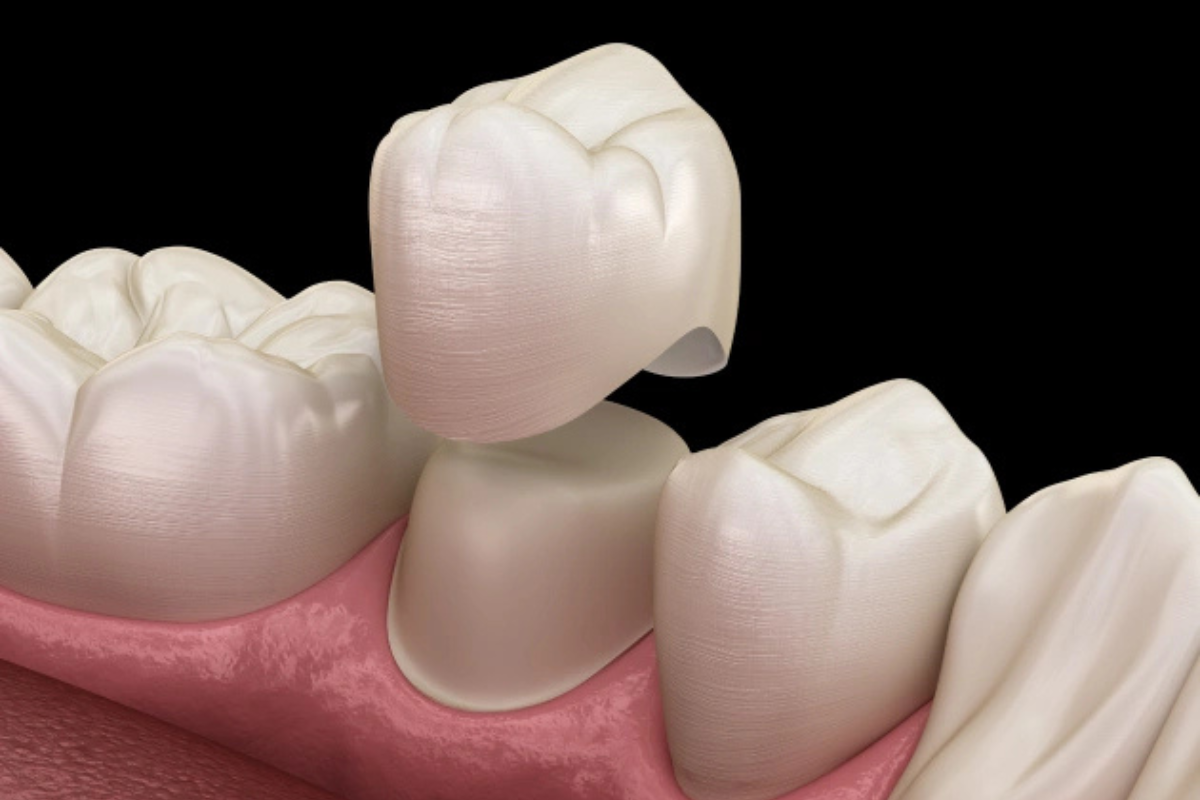
Caring for Your Dental Crowns: Do’s and Don’ts
January 13, 2026
Dental Crowns
Dental crowns are an excellent option for people with damaged or decayed teeth. They offer both functional and cosmetic benefits. These crowns can protect your tooth from further deterioration and enhance your smile. However, as with all other dental restorations, crowns need proper care to last longer. It does not matter whether you just got a tooth crown or have had one for some time; aftercare knowledge is essential.
In this blog, you will learn some easy tips for caring for crowns and keeping them in the best condition. This will help you if you are planning to go for dental crowns in Matthews, NC, or if you already have them.
Care For Your Dental Crowns
Proper maintenance of your crowns is critical to ensuring they last a long time and support your overall oral health. With a few simple and crucial daily practices, your dental cap can remain strong, functional, and healthy-looking. This section will guide you through the critical do’s for maintaining your tooth crowns.
Practice Good Oral Hygiene
The most important step you can take to care for your dental crowns in Matthews, NC, is to practice excellent oral hygiene. And just because you now have a dental cap does not mean that your regular teeth are protected. Plaque and bacteria can build up around your crowns and adjacent teeth, which could lead to cavities and gum disease. Brushing at least twice a day and flossing daily are crucial. Be sure to use a soft-bristled toothbrush that will not damage your cap and gums.
Visit Your Dentist Regularly
Even with a properly placed tooth crown, patients should still visit a dentist regularly. This is because the dentist can check the fit of the dental cap, assess for decay under the crowns, and clean areas a patient cannot reach. Regular visits to a dentist in Matthews, NC, will also help prevent problems before they become serious.
Be Mindful of What You Eat
Although tooth crowns are strong, it is still important to consider what you eat. Try not to chew hard foods like ice or hard candies, as they may damage the dental cap. Foods that are sticky, such as caramel or chewing gum, may cause crowns to fall off. Eat soft foods so pressure does not affect the dental cap.
Use a Mouthguard if Necessary
If you participate in sports or grind your teeth at night, you will need to wear a mouth guard. Teeth grinding may wear down your tooth crowns. Additionally, you may be wearing down your tooth crowns without realizing it. A custom-made mouth guard may protect your dental cap from wear and tear.
Stay Hydrated
It is essential to stay hydrated to have overall oral health. Your saliva plays an essential role in protecting your teeth, gums, and fillings by neutralizing and washing away food particles and acids from your mouth. Staying hydrated with water keeps your mouth well moisturized and helps prevent dry mouth, which can lead to plaque formation.
Watch for Signs of Damage
Be aware of any change in sensation or appearance of your crowned tooth. Should you feel any pain, sensitivity, or discomfort in your crowned tooth, call your dentist. This might indicate movement, damage, or a problem in the tooth underneath.
Things to Avoid When You Need Dental Crowns
Although proper care of your dental cap will help it last longer, certain habits can shorten its lifespan. In the following section, some important aspects to be avoided when caring for your crowns will be highlighted.
Don’t Bite Hard Objects
While it may be very tempting, it is important that you do not use your teeth as tools. The agents most likely to cause damage to your crowned tooth include pens, nails, and bottle caps. If you have this habit, it is important that you consult your dentist to find ways to overcome it.
Do Not Chew on Non-Food Items
Munching on things like pencils, ice, or your nails can damage your dental cap. Ice, pencils, and nails are all firmer than food. This can cause your crown to chip or even break. Remember at all times that the caps are not for chewing. They’re only for eating food.
Floss Regularly
Though brushing is essential, it is also important to floss. If you miss flossing in the area surrounding your crown, you are at risk of having food particles and plaque accumulate in this area, causing cavities to form. Again, it is essential to floss this region carefully to avoid damaging the dental cap.
Avoid Using Whitening Products
Over-the-counter whitening products may damage your crown and cause it to lose its natural appearance. Crowns are not whitened like actual teeth, and if whitening toothpaste and/or whitening strips are used, the dental cap may appear to be discolored relative to your actual teeth. Non-abrasive toothpaste should be used to keep the cap looking its best.
Do Not Ignore Pain Or Sensitivity
If you are feeling any pain or sensitivity around your tooth crown, do not ignore it. This could be a sign of a problem developing, such as a crack or a gap developing between the dental cap and your tooth.
Do Not Skip Follow-Up Visits
Once you have received your crown, it is very important that you do not miss your follow-up appointments. This allows your dentist to see how your dental cap is doing and ensure it is fitting well. Missing your follow-up appointments could lead to problems such as infections and/or a poorly fitting cap.
Keeping Your Dental Crowns for a Lasting Smile
Taking good care of your crowns will help them last longer. This will help maintain a healthy and radiant smile. By following the do’s and don’ts for caring for a dental cap, you can keep your oral health at its best.
Looking for trusted dental crowns or any other dental service in Matthews, NC? Don’t think twice about contacting Dawson Modern Dentistry today. We offer high-quality dental services, including crowns. Our caring team is ready to help you achieve a beautiful, healthy smile.
FAQs
- How long do dental crowns typically last?
Dental crowns can last between 10 to 15 years with proper care. Regular brushing, flossing, and dental check-ups are key to maintaining their longevity. Avoiding hard foods and protecting your crown from damage will also help it stay intact for as long as possible. - Can I chew gum with dental crowns?
It’s best to avoid chewing gum, particularly sticky types. Chewing gum can dislodge or loosen your dental crown over time. Sticky foods may also get stuck under the crown, potentially leading to decay or discomfort. Stick to softer foods to maintain your crown’s integrity. - Will my dental crown be sensitive to hot or cold foods?
Some sensitivity to hot or cold foods is normal immediately after getting a dental crown, as your tooth adjusts. However, if the sensitivity persists for more than a few weeks, it may indicate a problem with the crown or the underlying tooth. Consult your dentist if discomfort persists. - Are dental crowns vulnerable to cavities?
While dental crowns themselves cannot decay, the tooth beneath the crown remains susceptible to cavities if not properly cared for. Regular brushing, flossing, and dental visits are crucial for preventing decay around the crown’s edges, where bacteria can sneak in and compromise the natural tooth structure. - How do I know if my dental crown needs to be replaced?
If you notice pain or discomfort, or if your crown feels loose, it may need to be replaced. Additionally, if you see visible cracks, chips, or discoloration, it could indicate damage. Do not ignore these signs; schedule a visit with your dentist to evaluate whether your crown needs repair or replacement.
More Blog Posts
January 13, 2026
Caring for Your Dental Crowns: Do’s and Don’ts
January 12, 2026
Types of Dental Crowns: How to Choose the Best One for Your Smile
December 30, 2025
How Long Do Dental Crowns Last and What Affects Their Lifespan?
December 3, 2025
Correcting Tooth Gaps: Using Dental Veneers to Fix Diastema Without Braces in Matthews
November 3, 2025