
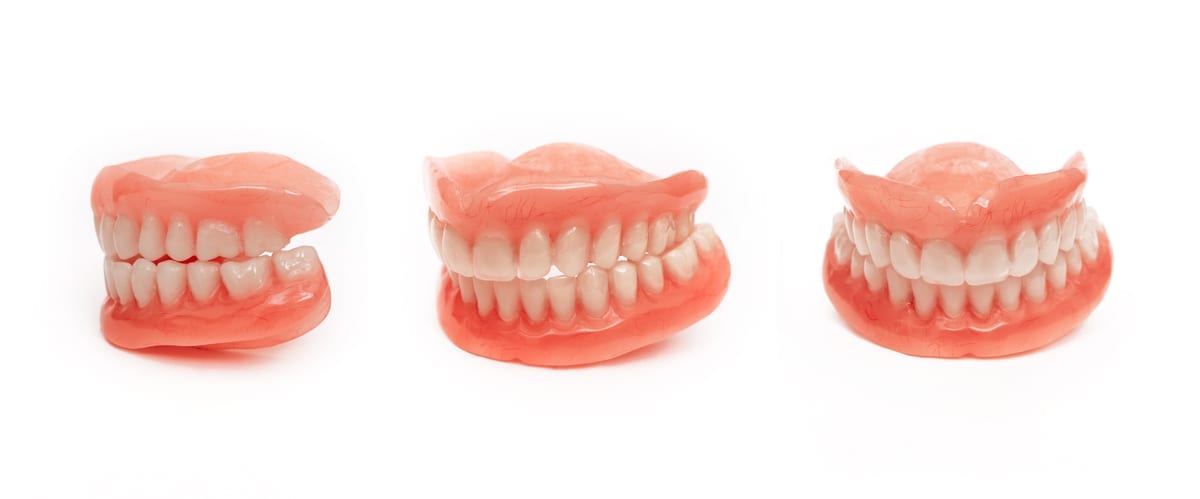
Are You Actually a Candidate for Dentures? Here’s What to Expect
October 19, 2026
Dental Health
If you’ve been losing teeth or struggling with painful, failing teeth, you’ve probably wondered: are you actually a candidate for dentures? Here’s what to expect in Matthews — from the very first evaluation all the way through your final fitting. At Dawson Modern Dentistry, Dr. Ashley Dawson helps patients understand their options clearly and comfortably. This article walks you through the candidacy criteria, the process, and the timeline so you can move forward with confidence.
Who Is a Candidate for Dentures in Matthews, NC?
Not everyone who is missing teeth automatically qualifies for dentures. The best candidates share a few key characteristics that Dr. Dawson evaluates during your first visit. Understanding these factors helps you set realistic expectations before treatment begins.
You may be a strong candidate for dentures if you:
- Are missing most or all of your teeth in one or both arches
- Have several teeth that are too damaged or decayed to restore
- Experience significant bone loss in the jaw
- Have gum disease that has not responded to other treatments
- Struggle to chew or speak clearly due to missing teeth
Candidates also need to have reasonably healthy gum tissue. If active infection or severe gum disease is present, that typically needs treatment first. Dr. Dawson will assess your full oral health picture before recommending dentures or an alternative solution.
Some patients in Matthews may be better served by Dental Implants Matthews rather than traditional dentures. Implants are a permanent, fixed option that preserves jawbone density over time. During your consultation, Dr. Dawson will explain which choice fits your health, anatomy, and goals.
Partial vs. Full Dentures: Which Option Fits You?
Dentures come in two main forms: full (complete) and partial. Knowing the difference helps you understand what your treatment plan might look like. Dr. Dawson customizes every recommendation to match the patient’s specific situation.
Full dentures replace an entire arch of missing teeth — upper, lower, or both. They rest on the gum line and are held in place by natural suction or dental adhesive. Full dentures work best when all or nearly all natural teeth are gone.
Partial dentures fill in gaps left by several missing teeth. They attach to remaining natural teeth using clasps or connectors. Partials are a cost-effective way to restore function and appearance when some healthy teeth remain.
In some cases, existing teeth need crowns before a partial denture can be fitted properly. Dental Crowns Matthews can strengthen remaining teeth and create better anchoring points for your partial. Dr. Dawson will let you know if this step applies to your treatment plan.
The Extraction and Healing Timeline You Should Know
If you still have failing or damaged teeth, extractions are often the first step. Many patients worry about this part of the process, but understanding the timeline makes it much less stressful. Here is a general outline of what to expect:
- Initial Consultation: Dr. Dawson reviews X-rays, examines your gums and bone, and creates your personalized treatment plan.
- Extractions: Damaged teeth are removed, usually in one or two appointments. Local anesthesia keeps you comfortable throughout.
- Immediate Healing (1–2 weeks): Swelling and tenderness are normal. You will follow aftercare instructions to protect the extraction sites.
- Tissue Settling (2–6 months): Your gum tissue reshapes and shrinks as it heals. This phase is important before final dentures are made.
- Final Fitting: Once healing is complete, Dr. Dawson takes precise impressions to create your custom dentures.
- Adjustments: Minor adjustments after delivery are completely normal and expected. Your comfort is the priority.
Immediate dentures can sometimes be placed the same day as extractions. However, they often require relining later because the gums continue to change shape during healing. Dr. Dawson will discuss whether immediate dentures make sense for your situation.
What the Denture Process Actually Feels Like
One of the most common concerns patients share is not knowing what to physically expect. The honest answer is that adjustment takes time — but most patients adapt fully within a few weeks. Dr. Dawson and the team at Dawson Modern Dentistry prepare every patient thoroughly so there are no surprises.
During the first few days, new dentures may feel bulky or loose. Your tongue and cheek muscles need time to learn how to keep them in place. Speaking and eating may feel awkward at first, but both improve quickly with practice.
Soreness at pressure points is also common early on. This is completely normal and usually signals that a minor adjustment is needed. Never try to adjust dentures yourself — always bring them back to the office.
Long-term, most denture wearers find that their quality of life improves significantly. They can eat a wider variety of foods, speak more clearly, and feel more confident in social situations. Caring for your dentures properly — cleaning them daily and storing them in water overnight — extends their lifespan and keeps your gums healthy.
Frequently Asked Questions
How do I know if I need dentures or dental implants?
The best way to find out is through a comprehensive exam with Dr. Dawson. Implants require adequate bone density and healthy gum tissue. Dentures are often recommended when significant bone loss has already occurred or when multiple teeth across an arch need replacement. Both are excellent options depending on your individual health and goals.
How long does the entire denture process take in Matthews?
The timeline varies based on whether extractions are needed and how quickly your gums heal. From initial consultation to final denture delivery, the process typically takes three to six months. Immediate dentures can shorten the time you spend without teeth, though a reline may be needed later as your gums settle.
Will dentures affect how I eat and speak?
There is an adjustment period for both eating and speaking. Most patients notice significant improvement within two to four weeks. Starting with softer foods and practicing speaking aloud at home can speed up the adaptation process. Dr. Dawson provides detailed guidance to help you adjust as comfortably as possible.
Are dentures a permanent solution?
Dentures are long-lasting but not permanent in the same way implants are. Most dentures last seven to ten years with proper care before they need replacement. As the jawbone changes over time, dentures may also need periodic relining to maintain a proper fit. Regular checkups at Dawson Modern Dentistry help keep your dentures fitting well.
What if my dentures feel loose after a few months?
Some loosening is expected as your gum tissue continues to change after extractions. A simple reline procedure can restore a snug fit. If your dentures shift frequently or cause sore spots, schedule an appointment promptly. Leaving ill-fitting dentures unaddressed can lead to gum irritation and further bone loss.
If you are ready to find out whether dentures are right for you, Dr. Ashley Dawson and the team at Dawson Modern Dentistry in Matthews, NC are here to guide you every step of the way. Book Now to schedule your appointment with our team.
More Blog Posts
October 19, 2026
Are You Actually a Candidate for Dentures? Here’s What to Expect
October 12, 2026
Porcelain vs. Composite Veneers: Which Investment Actually Lasts

August 24, 2026
Your Smile Makeover Awaits: What Happens at Each Bonding Appointment

August 17, 2026
Unbearable Tooth Pain at 2 AM: Your Real Options Right Now
August 10, 2026