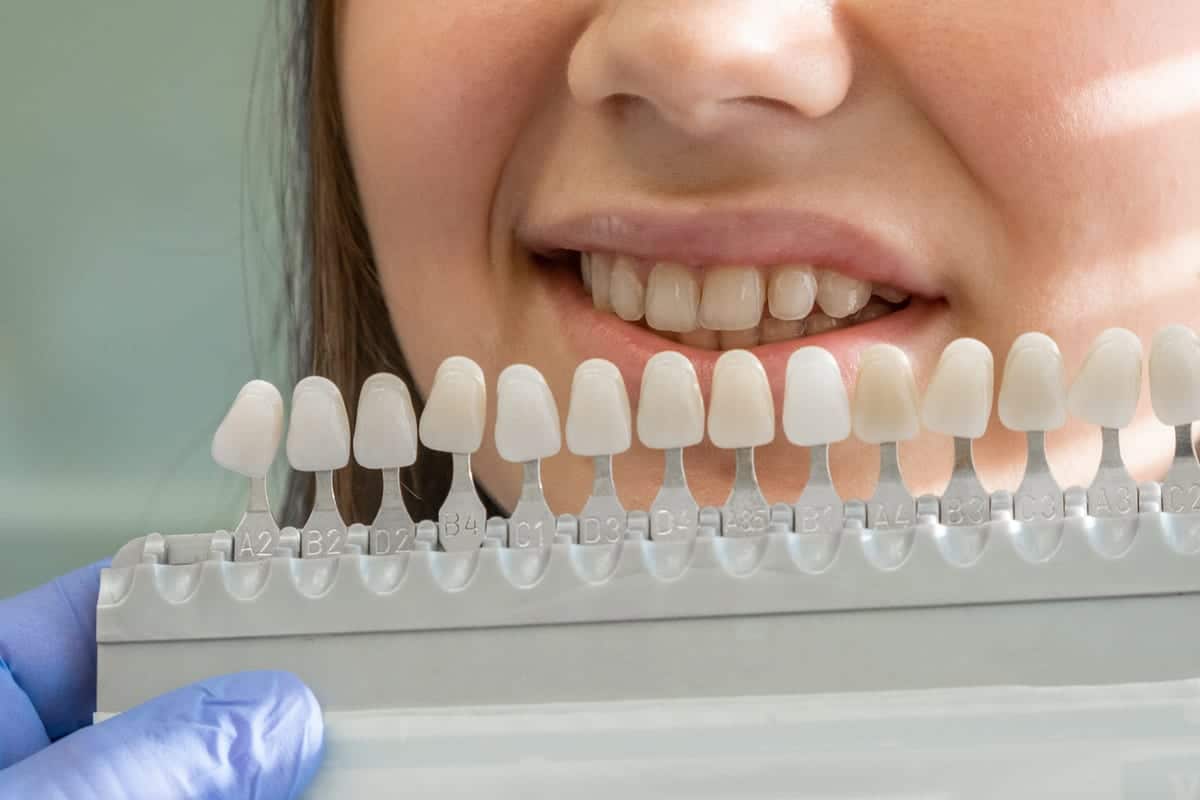

Cosmetic Dentistry in Mint Hill

Cosmetic Dentistry Results in Matthews, NC

July 27, 2026

Dental Health

If you’ve invested in your smile, you want those results to stick around. Understanding your cosmetic dental results and how long they actually last in Mint Hill helps you make smarter choices. The lifespan of cosmetic work depends on the treatment type, your habits, and how consistently you maintain your care. Dr. Ashley Dawson at Dawson Modern Dentistry in Matthews, NC helps patients understand exactly what to expect from each procedure.

How Long Cosmetic Treatments Last: A Breakdown by Procedure

Different cosmetic treatments have very different lifespans. Knowing the realistic range for each one helps you plan and budget wisely. Here’s a general overview of what patients can expect from common treatments.

  • Dental Bonding: Typically lasts 3–10 years with proper care
  • Porcelain Veneers: Can last 10–20 years or longer with good habits
  • Clear Aligners: Results are permanent if you wear retainers as directed
  • Teeth Whitening: Professional results last 1–3 years depending on lifestyle
  • Dental Crowns: Usually last 10–15 years, sometimes much longer
  • Dental Implants: Can last a lifetime with proper maintenance

These are general estimates, not guarantees. Your individual results will vary based on how well you maintain your oral health. Treatment quality also plays a major role in how long results hold up.

What Patient Habits Most Affect Durability in Mint Hill

Your daily habits directly determine how long your cosmetic dental results last. Even the highest-quality work can fail early if you don’t take care of it. Dr. Dawson emphasizes patient education because informed patients consistently get better long-term outcomes.

Here are the habits that most affect your cosmetic results:

  • Brushing twice daily with a soft-bristled toothbrush
  • Flossing daily to remove buildup around restorations
  • Avoiding biting hard objects like ice, pens, or fingernails
  • Wearing a nightguard if you grind your teeth
  • Attending regular professional cleanings every six months
  • Limiting staining foods and drinks like coffee, red wine, and dark sauces

Skipping cleanings is one of the most common ways patients shorten the life of their cosmetic work. Plaque and tartar buildup can undermine even the best restorations over time. Consistent home care paired with professional visits makes a measurable difference.

Veneers and Bonding: What Shortens Their Lifespan

Veneers and dental bonding are two of the most popular cosmetic options for transforming smiles. Both are durable, but they respond differently to stress and wear. Understanding what weakens them helps you protect your investment.

Porcelain veneers are strong, but they can chip or crack under force. Biting your nails, chewing on hard candy, or using your teeth as tools puts them at serious risk. Most veneer failures are preventable with simple habit changes.

Dental bonding is more prone to staining than porcelain. The composite resin material absorbs pigment from food and beverages over time. Patients who minimize staining foods and avoid smoking tend to see their bonding last significantly longer.

Both treatments benefit from nightguard use if you grind or clench. Bruxism is one of the fastest ways to destroy cosmetic restorations. A custom nightguard from your dentist is a small investment that protects much larger ones.

Long-Term Results: Dental Implants and Crowns

Dental Implants are widely considered the gold standard for tooth replacement. With proper care, the implant post itself can last a lifetime. The crown attached to the implant typically lasts 10–15 years before needing replacement.

Dental Crowns used in cosmetic cases follow similar longevity patterns. They protect and restore teeth while improving appearance. The margin where the crown meets the tooth requires careful brushing and flossing to prevent decay underneath.

Both implants and crowns benefit enormously from regular checkups. Your dentist can spot early signs of wear or fit issues before they become serious problems. Early intervention almost always extends the functional life of restorations.

Patients in Mint Hill who stay consistent with their preventive care appointments tend to get the most value from these restorations. Prevention is far less costly than replacement or repair. Treating your restorations like natural teeth is the right mindset to have.

How to Maximize the Life of Your Smile Investment

Getting great cosmetic results is the first step. Keeping them looking great for as long as possible is an ongoing commitment. Fortunately, the steps required aren’t complicated or time-consuming.

Start with consistent home care. Brush gently but thoroughly twice a day. Use non-abrasive toothpaste to avoid scratching veneer or bonding surfaces.

Visit Dawson Modern Dentistry every six months for professional cleanings. Your hygienist can remove buildup that home brushing misses. Your dentist can also evaluate your restorations and catch any early issues.

Talk to Dr. Dawson about protective appliances if you play contact sports or grind at night. A custom mouthguard or nightguard is one of the best investments you can make for your smile. These simple devices prevent the kind of trauma that leads to costly repairs.

Finally, be realistic about lifestyle choices. Smoking, excessive coffee drinking, and poor diet all work against your cosmetic results. Small daily decisions add up to big differences in longevity over months and years.

Conclusion: Protecting Your Smile in Mint Hill

Your cosmetic dental results and how long they actually last in Mint Hill depend largely on you. Treatments like veneers, bonding, crowns, and implants are designed to be durable. But they all require consistent care and smart habits to reach their full potential lifespan. Dr. Ashley Dawson and the team at Dawson Modern Dentistry are here to support your smile for the long haul. Book Now to schedule your appointment with our team.

Frequently Asked Questions

How long do porcelain veneers typically last?

Porcelain veneers generally last between 10 and 20 years. With excellent oral hygiene and habits that minimize force on the teeth, some patients keep their veneers even longer. Regular dental checkups help catch early signs of wear before they become larger issues.

Does teeth grinding really shorten cosmetic results?

Yes, teeth grinding (bruxism) is one of the most common reasons cosmetic restorations fail early. The constant pressure and friction can chip veneers, crack bonding, and damage crowns. A custom-fitted nightguard from your dentist offers effective protection while you sleep.

Can I whiten my teeth after getting veneers or bonding?

Whitening products do not change the color of porcelain veneers or composite bonding materials. Whitening only affects natural tooth enamel. If you want to brighten your smile, talk to Dr. Dawson before your cosmetic procedure so your restorations can be matched to your desired shade.

How often should I visit the dentist after cosmetic treatment?

Most patients should schedule professional cleanings and exams every six months. Patients with more complex restorations or a history of gum disease may benefit from more frequent visits. Regular checkups are the single best way to protect your cosmetic investment long-term.

What happens if a veneer or crown chips?

Small chips in bonding can often be repaired at a routine appointment. Veneers and crowns that crack or break may need to be replaced depending on the severity of the damage. Contact Dawson Modern Dentistry promptly if you notice any damage so it can be assessed before the problem worsens.
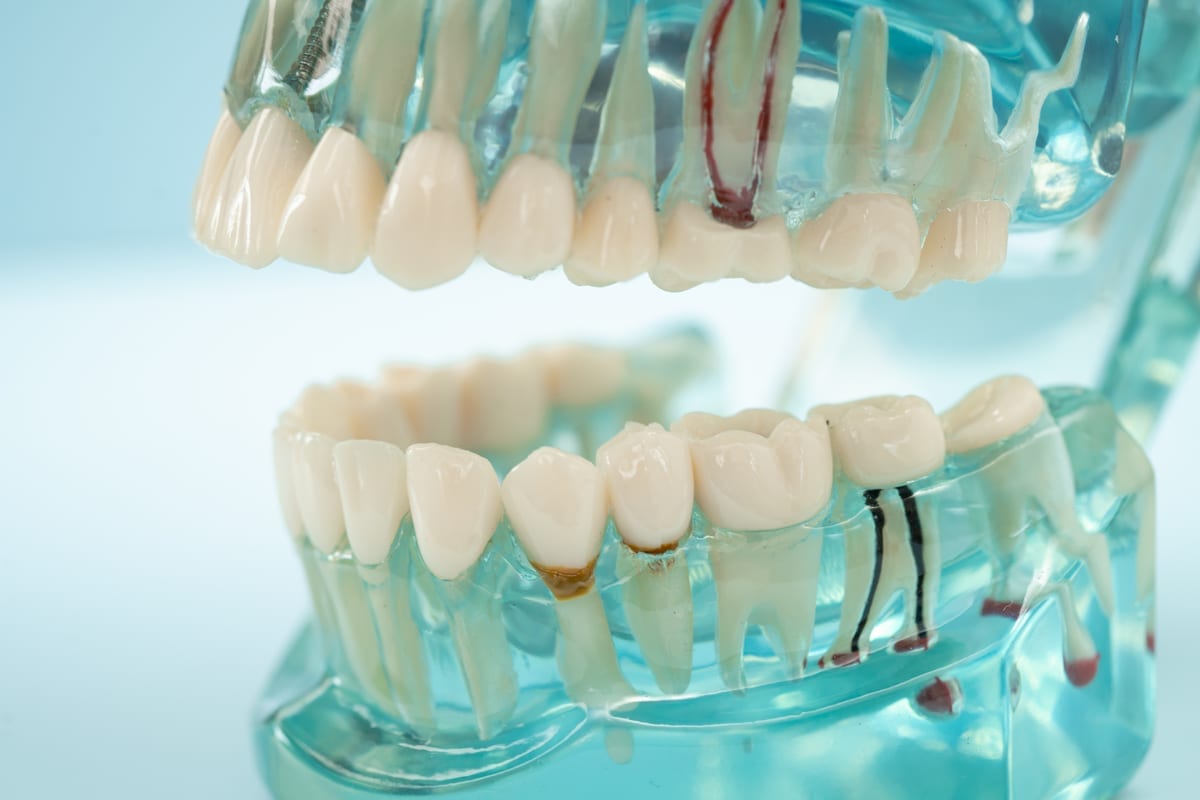

If you’ve invested in your smile, you want those results to stick around. Understanding your cosmetic dental results and how long they actually last in Mint Hill helps you make smarter choices. The lifespan of cosmetic work depends on the treatment type, your habits, and how consistently you maintain your care. Dr. Ashley Dawson at Dawson Modern Dentistry in Matthews, NC helps patients understand exactly what to expect from each procedure.

How Long Cosmetic Treatments Last: A Breakdown by Procedure

Different cosmetic treatments have very different lifespans. Knowing the realistic range for each one helps you plan and budget wisely. Here’s a general overview of what patients can expect from common treatments.

  • Dental Bonding: Typically lasts 3–10 years with proper care
  • Porcelain Veneers: Can last 10–20 years or longer with good habits
  • Clear Aligners: Results are permanent if you wear retainers as directed
  • Teeth Whitening: Professional results last 1–3 years depending on lifestyle
  • Dental Crowns: Usually last 10–15 years, sometimes much longer
  • Dental Implants: Can last a lifetime with proper maintenance

These are general estimates, not guarantees. Your individual results will vary based on how well you maintain your oral health. Treatment quality also plays a major role in how long results hold up.

What Patient Habits Most Affect Durability in Mint Hill

Your daily habits directly determine how long your cosmetic dental results last. Even the highest-quality work can fail early if you don’t take care of it. Dr. Dawson emphasizes patient education because informed patients consistently get better long-term outcomes.

Here are the habits that most affect your cosmetic results:

  • Brushing twice daily with a soft-bristled toothbrush
  • Flossing daily to remove buildup around restorations
  • Avoiding biting hard objects like ice, pens, or fingernails
  • Wearing a nightguard if you grind your teeth
  • Attending regular professional cleanings every six months
  • Limiting staining foods and drinks like coffee, red wine, and dark sauces

Skipping cleanings is one of the most common ways patients shorten the life of their cosmetic work. Plaque and tartar buildup can undermine even the best restorations over time. Consistent home care paired with professional visits makes a measurable difference.

Veneers and Bonding: What Shortens Their Lifespan

Veneers and dental bonding are two of the most popular cosmetic options for transforming smiles. Both are durable, but they respond differently to stress and wear. Understanding what weakens them helps you protect your investment.

Porcelain veneers are strong, but they can chip or crack under force. Biting your nails, chewing on hard candy, or using your teeth as tools puts them at serious risk. Most veneer failures are preventable with simple habit changes.

Dental bonding is more prone to staining than porcelain. The composite resin material absorbs pigment from food and beverages over time. Patients who minimize staining foods and avoid smoking tend to see their bonding last significantly longer.

Both treatments benefit from nightguard use if you grind or clench. Bruxism is one of the fastest ways to destroy cosmetic restorations. A custom nightguard from your dentist is a small investment that protects much larger ones.

Long-Term Results: Dental Implants and Crowns

Dental Implants are widely considered the gold standard for tooth replacement. With proper care, the implant post itself can last a lifetime. The crown attached to the implant typically lasts 10–15 years before needing replacement.

Dental Crowns used in cosmetic cases follow similar longevity patterns. They protect and restore teeth while improving appearance. The margin where the crown meets the tooth requires careful brushing and flossing to prevent decay underneath.

Both implants and crowns benefit enormously from regular checkups. Your dentist can spot early signs of wear or fit issues before they become serious problems. Early intervention almost always extends the functional life of restorations.

Patients in Mint Hill who stay consistent with their preventive care appointments tend to get the most value from these restorations. Prevention is far less costly than replacement or repair. Treating your restorations like natural teeth is the right mindset to have.

How to Maximize the Life of Your Smile Investment

Getting great cosmetic results is the first step. Keeping them looking great for as long as possible is an ongoing commitment. Fortunately, the steps required aren’t complicated or time-consuming.

Start with consistent home care. Brush gently but thoroughly twice a day. Use non-abrasive toothpaste to avoid scratching veneer or bonding surfaces.

Visit Dawson Modern Dentistry every six months for professional cleanings. Your hygienist can remove buildup that home brushing misses. Your dentist can also evaluate your restorations and catch any early issues.

Talk to Dr. Dawson about protective appliances if you play contact sports or grind at night. A custom mouthguard or nightguard is one of the best investments you can make for your smile. These simple devices prevent the kind of trauma that leads to costly repairs.

Finally, be realistic about lifestyle choices. Smoking, excessive coffee drinking, and poor diet all work against your cosmetic results. Small daily decisions add up to big differences in longevity over months and years.

Conclusion: Protecting Your Smile in Mint Hill

Your cosmetic dental results and how long they actually last in Mint Hill depend largely on you. Treatments like veneers, bonding, crowns, and implants are designed to be durable. But they all require consistent care and smart habits to reach their full potential lifespan. Dr. Ashley Dawson and the team at Dawson Modern Dentistry are here to support your smile for the long haul. Book Now to schedule your appointment with our team.

Frequently Asked Questions

How long do porcelain veneers typically last?

Porcelain veneers generally last between 10 and 20 years. With excellent oral hygiene and habits that minimize force on the teeth, some patients keep their veneers even longer. Regular dental checkups help catch early signs of wear before they become larger issues.

Does teeth grinding really shorten cosmetic results?

Yes, teeth grinding (bruxism) is one of the most common reasons cosmetic restorations fail early. The constant pressure and friction can chip veneers, crack bonding, and damage crowns. A custom-fitted nightguard from your dentist offers effective protection while you sleep.

Can I whiten my teeth after getting veneers or bonding?

Whitening products do not change the color of porcelain veneers or composite bonding materials. Whitening only affects natural tooth enamel. If you want to brighten your smile, talk to Dr. Dawson before your cosmetic procedure so your restorations can be matched to your desired shade.

How often should I visit the dentist after cosmetic treatment?

Most patients should schedule professional cleanings and exams every six months. Patients with more complex restorations or a history of gum disease may benefit from more frequent visits. Regular checkups are the single best way to protect your cosmetic investment long-term.

What happens if a veneer or crown chips?

Small chips in bonding can often be repaired at a routine appointment. Veneers and crowns that crack or break may need to be replaced depending on the severity of the damage. Contact Dawson Modern Dentistry promptly if you notice any damage so it can be assessed before the problem worsens.