
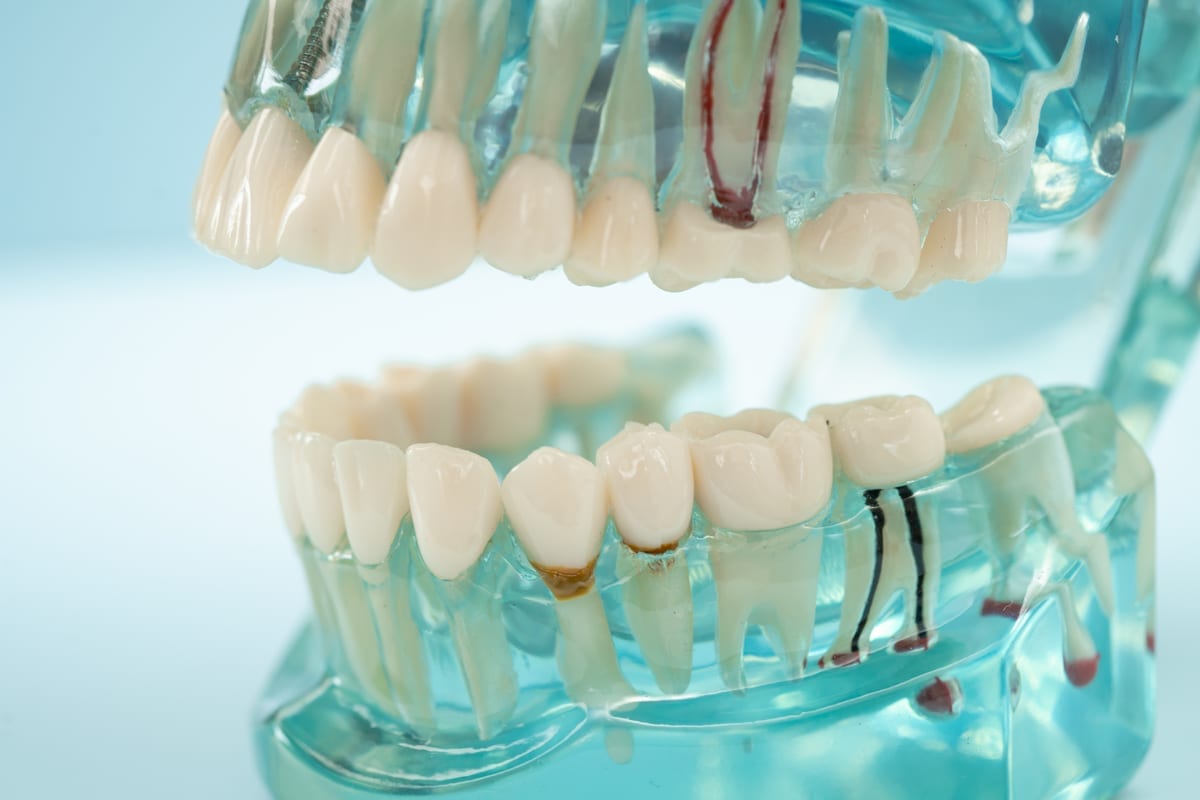
Root Canal Pain & Anesthesia in Matthews, NC
July 20, 2026
Dental Health
If you live near Stallings and have been told you need a root canal, your first question is probably about pain. Does a root canal really hurt? What modern anesthesia actually prevents in Stallings and nearby Matthews may surprise you. The truth is that most patients report the procedure feels far less intense than they expected. Understanding what happens before, during, and after treatment can ease a lot of anxiety.
Why Root Canals Have a Scary Reputation
Root canals earned their fearsome reputation decades ago — before modern dental anesthesia existed. Early techniques were limited, and patients sometimes felt significant discomfort. That experience passed down through generations as folklore and fear.
Today, that reputation is outdated. Dental anesthesia has advanced dramatically over the past 30 years. Numbing agents are more effective, delivery methods are gentler, and dentists are better trained to manage patient comfort throughout the entire process.
The real source of root canal pain is actually the infected tooth itself — not the procedure. When the pulp inside a tooth becomes infected, it causes throbbing, pressure, and sensitivity. A root canal removes that source of pain entirely.
What Modern Anesthesia Actually Does During Treatment
Modern local anesthesia works by blocking nerve signals in the treatment area. Your dentist injects a numbing solution near the affected tooth’s nerves. Within minutes, you lose sensation in that zone completely.
You will still feel pressure during the procedure. That is normal and expected. Pressure is not pain — it is simply your body sensing physical contact without the sharp, burning signal that indicates discomfort. Most patients describe the sensation as mild pushing or vibration.
Here is what modern anesthesia actively prevents during a root canal:
- Sharp or burning pain at the treatment site
- Nerve sensitivity during file and irrigation steps
- Anxiety-triggering discomfort that causes patients to tense up
- Reflexive flinching that can complicate the procedure
- The need to stop and restart treatment repeatedly
If you feel anything beyond pressure during treatment, tell your dentist immediately. Additional anesthetic can be applied quickly. You should never feel you have to endure real pain during a root canal.
What Patients in Stallings Should Expect Step by Step
Knowing the process makes it far less intimidating. A root canal at Dawson Modern Dentistry follows a clear, predictable sequence. Dr. Ashley Dawson walks patients through each step before beginning so there are no surprises.
Here is a general overview of what to expect:
- Numbing: A topical anesthetic is applied first so you barely feel the injection. The local anesthetic is then delivered slowly and carefully.
- Isolation: A small rubber dam keeps the area dry and clean throughout the procedure.
- Access opening: A small opening is made in the crown of the tooth to reach the pulp chamber.
- Pulp removal: Infected or damaged pulp tissue is removed using small, precise instruments.
- Cleaning and shaping: The canals are cleaned, shaped, and disinfected thoroughly.
- Sealing: The canals are filled with a biocompatible material called gutta-percha and sealed.
- Restoration: A temporary or permanent Dental Crowns is placed to protect the tooth afterward.
Each of these steps happens while you are numb. The total chair time typically ranges from 60 to 90 minutes for a single-canal tooth.
How Recovery Actually Goes After a Root Canal
The most honest answer about root canal discomfort is this: most of it happens after the anesthesia wears off. Your tooth and surrounding gum tissue were just treated, so mild soreness is completely normal for a few days.
Most patients manage post-treatment discomfort with over-the-counter pain relievers. Ibuprofen or acetaminophen taken as directed usually handles it well. Prescription medication is rarely necessary for straightforward cases.
Here are some recovery tips that help the healing process go smoothly:
- Avoid chewing on the treated side until your permanent crown is placed
- Eat soft foods for the first day or two after the procedure
- Rinse gently with warm salt water to reduce inflammation
- Take any prescribed antibiotics for the full course if infection was present
- Contact the office if swelling increases or pain becomes severe after 72 hours
Most people return to normal daily activities the very next day. The recovery from a root canal is typically far shorter and easier than patients anticipate going in.
When a Root Canal Saves More Than Just Your Tooth
Leaving an infected tooth untreated causes far more pain than the root canal ever would. Infection spreads. It can move into your jaw, surrounding teeth, and in serious cases, even into your bloodstream. A root canal stops that process entirely.
Saving your natural tooth also protects your jawbone and bite alignment. When a tooth is lost, the bone beneath it can begin to deteriorate over time. Tooth replacement options like Dental Implants exist for situations where extraction becomes necessary — but preserving your natural tooth is always the preferred first option.
Dr. Ashley Dawson and the team at Dawson Modern Dentistry prioritize tooth preservation. A root canal is one of the most effective ways to keep your smile intact while eliminating the source of infection and discomfort.
Frequently Asked Questions
Does a root canal hurt while it is happening?
With modern local anesthesia, a root canal should not be painful during the procedure. You may feel pressure or vibration, but those sensations are not the same as pain. If you feel sharp discomfort at any point, let your dentist know immediately so more anesthetic can be applied.
How long does soreness last after a root canal?
Mild soreness typically lasts between two and four days after the procedure. Over-the-counter pain relievers manage it well for most patients. Severe or worsening pain after 72 hours should be reported to your dentist, as it may indicate a complication that needs attention.
Is a root canal worse than a tooth extraction?
Most patients find a root canal and a tooth extraction comparable in terms of discomfort during the procedure. Both are performed under local anesthesia. The key difference is outcome — a root canal saves your natural tooth, while an extraction removes it and may require replacement later.
How do I know if I need a root canal?
Common signs include persistent toothache, sensitivity to hot or cold that lingers, darkening of the tooth, swelling near the gum line, and a pimple-like bump on the gum. A dental exam and X-ray are required to confirm whether a root canal is the right treatment.
Can I drive myself home after a root canal?
Yes, in most cases you can drive yourself home after a root canal. The procedure uses local anesthesia only, which does not affect your ability to drive. If your dentist recommends sedation for anxiety, you will need someone to drive you home afterward.
If you have been putting off treatment because of fear, you are not alone — and you deserve honest answers. The team at Dawson Modern Dentistry in Matthews, NC is here to make your experience as comfortable and straightforward as possible. Book Now to schedule your appointment with our team.
More Blog Posts

August 24, 2026
Your Smile Makeover Awaits: What Happens at Each Bonding Appointment

August 17, 2026
Unbearable Tooth Pain at 2 AM: Your Real Options Right Now
August 10, 2026
Make Your Dental Crown Last: The Complete Care Guide for Matthews Patients

August 3, 2026
Midnight Tooth Pain: Your Real Options Beyond the ER Visit

July 27, 2026