

New Dentures Food Guide in Matthews, NC
June 15, 2026
Dental Health
Getting new dentures is a big step toward a healthier, more confident smile. But the first month can feel overwhelming — especially at mealtimes. Your first month with dentures is a food guide for success in Matthews that Dr. Ashley Dawson at Dawson Modern Dentistry wants every patient to have. Knowing what to eat, what to avoid, and how your diet evolves makes all the difference in your recovery and comfort.
Why the First Month With Dentures Requires a Special Diet
New dentures sit on soft gum tissue that needs time to adjust. Your gums may feel tender or sore during the first few weeks. Chewing the wrong foods too soon can cause irritation, slipping, or even damage to your dentures. Starting with the right foods protects both your comfort and your investment.
Your mouth is also learning something completely new. Muscles in your cheeks, tongue, and jaw must relearn how to chew and speak. This takes time and patience. A soft-food diet during this period reduces strain and speeds up adaptation.
Many Matthews patients are surprised by how quickly they adjust when they follow a structured eating plan. Progress happens faster when you set realistic expectations. Think of the first month as a transition period — not a permanent limitation.
Week-by-Week Food Progression: Matthews Denture Wearers’ Guide to Success
Your eating plan should evolve as your mouth heals and adapts. Breaking it into weekly phases makes the process manageable and reduces frustration.
Week 1 — Liquid and Pureed Foods: Start with smooth foods that require no chewing. This is the most critical phase for healing.
- Broth-based soups and pureed vegetable soups
- Yogurt, pudding, and applesauce
- Smoothies (avoid seeds and fibrous chunks)
- Mashed potatoes and soft scrambled eggs
- Protein shakes for added nutrition
Weeks 2 and 3 — Soft, Bite-Sized Foods: Gradually introduce soft foods that require minimal chewing. Cut everything into small pieces before eating.
- Soft-cooked pasta, rice, and oatmeal
- Flaky fish like tilapia or salmon
- Soft-cooked vegetables such as carrots and green beans
- Ripe bananas, melons, and canned fruit
- Soft bread without crusts
Week 4 — Expanding Your Choices: By the fourth week, most patients can handle a wider variety of foods. Continue cutting food into small pieces. Listen to your mouth — discomfort is a signal to slow down.
Foods to Avoid Permanently With Dentures
Some foods remain problematic even after your mouth fully adjusts. These items can dislodge, damage, or stain your dentures over time. Avoiding them protects your dentures and your comfort long term.
Hard foods are the biggest concern. They can crack acrylic denture material or put uneven pressure on your gums. Sticky foods are equally dangerous — they grip your dentures and pull them out of place.
Here is a list of foods to permanently avoid or limit:
- Hard candies, nuts, and popcorn
- Tough meats like steak or pork chops
- Sticky foods such as caramel, taffy, or chewing gum
- Hard raw vegetables like whole carrots or celery sticks
- Crusty bread, bagels, and hard pizza crust
- Foods with small seeds that can get under your dentures
Extremely hot foods and drinks also require caution. Dentures reduce heat sensitivity in your gums, making it easier to burn yourself without realizing it. Always test temperatures before eating or drinking.
Helpful Tips for Eating More Comfortably in Matthews
Adapting to dentures involves more than just food choices. How you eat matters as much as what you eat. A few practical habits can dramatically improve your mealtime experience.
Use both sides of your mouth when chewing. Chewing on one side only creates uneven pressure. That pressure can cause your dentures to tip or shift. Distributing the force evenly keeps them stable and comfortable.
Cut food into small, uniform pieces before every meal. This reduces the effort needed to chew and lowers the risk of a denture mishap. Small bites also make it easier to control food in your mouth while you are still learning.
Stay hydrated throughout the day. A dry mouth makes dentures fit less securely. Drinking water regularly helps maintain a natural seal between your dentures and gums. Avoid excessive caffeine and alcohol, which can dry out your mouth.
If soreness develops, give your gums a rest. Remove your dentures for a few hours when possible. Your dentist may also recommend a denture adhesive during the early weeks for added stability.
When to Talk to Dr. Dawson About Your Dentures
Most discomfort during the first month is normal. However, some symptoms deserve professional attention. Persistent sore spots, significant slipping, or difficulty speaking after the first few weeks should prompt a visit to Dawson Modern Dentistry in Matthews.
Dr. Ashley Dawson can make small adjustments to improve the fit of your dentures. These adjustments are quick and make a big difference in daily comfort. Do not suffer through pain or instability — early adjustments prevent bigger problems later.
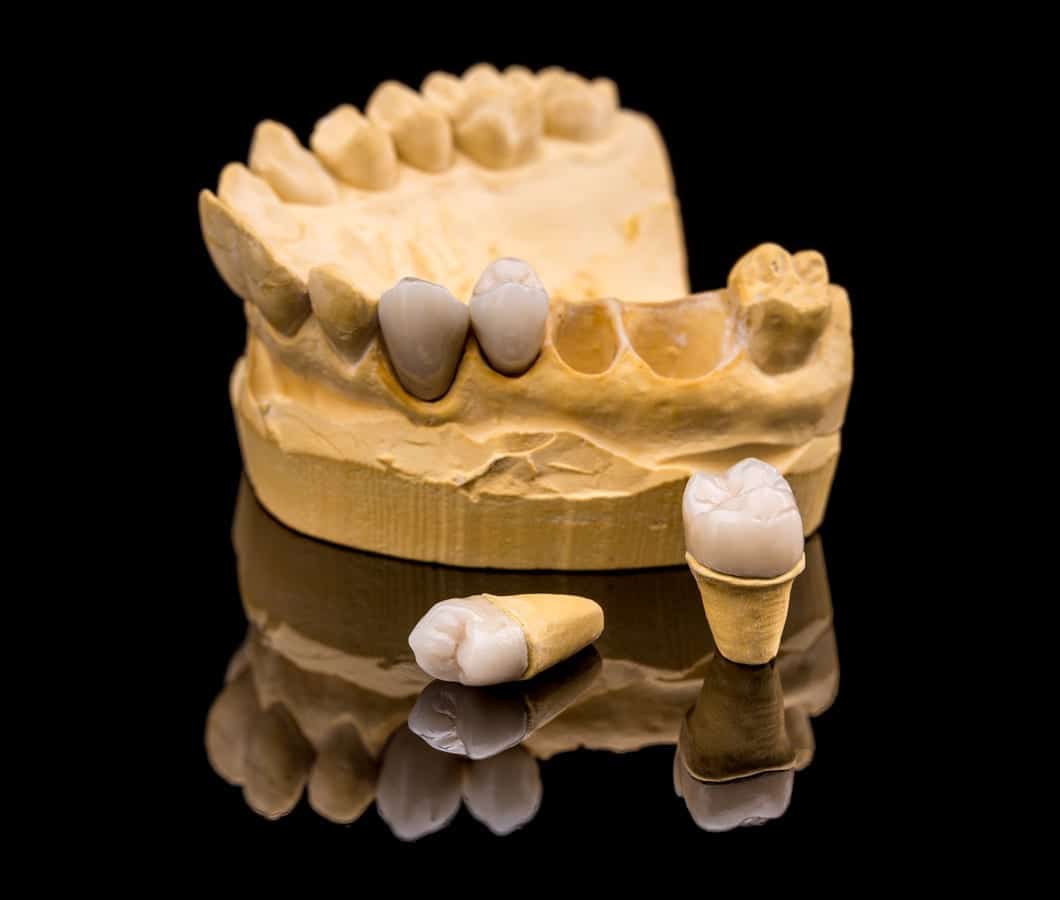
It is also worth knowing that dentures are not the only tooth replacement option. Dental Implants offer a more permanent solution that functions like natural teeth. Patients who struggle with denture stability often find implants life-changing. Dental Crowns may also play a role in certain restorative plans your dentist recommends. Discussing all your options with Dr. Dawson helps you make the most informed choice for your smile.
Conclusion: Your Path to Confident Eating With New Dentures
The first month with dentures requires patience, planning, and the right food choices. Following a structured eating guide helps you heal faster and adapt with far less frustration. Most Matthews patients find that by the end of week four, mealtimes feel much more manageable and enjoyable.
Start soft, progress slowly, and listen to your body every step of the way. Avoid permanently problematic foods and develop smart eating habits early. Those habits will serve you well for years to come.
Dr. Ashley Dawson and the team at Dawson Modern Dentistry are here to support every step of your denture journey. Book Now to schedule your appointment with our team.
Frequently Asked Questions
How long does it take to get used to eating with new dentures?
Most patients need four to eight weeks to feel comfortable eating with new dentures. The first two weeks are typically the most challenging. Following a soft-food diet and practicing proper chewing techniques speeds up the adjustment process significantly.
Can I eat normally after the first month with dentures?
Many patients can eat a wide variety of foods after the first month. However, some foods — like hard candies, sticky caramel, and tough meats — remain off-limits permanently. With practice and the right habits, most meals become comfortable and enjoyable.
Should I use denture adhesive during my first month?
Denture adhesive can help during the early adjustment period by providing extra stability. It is especially useful while your gum tissue is still healing and reshaping. Talk to Dr. Dawson about whether adhesive is appropriate for your specific situation.
What should I do if my dentures cause sore spots?
Minor soreness is normal during the first few weeks. If sore spots persist for more than a few days, contact Dawson Modern Dentistry in Matthews for a denture adjustment. Small adjustments can relieve pressure points and improve comfort quickly.
Are dental implants a better option than dentures for eating?
Dental implants are anchored directly into the jawbone, so they function much more like natural teeth. Many patients find eating with implants significantly easier than with traditional dentures. Discussing your lifestyle and goals with Dr. Dawson will help determine the best tooth replacement option for you.
More Blog Posts

August 24, 2026
Your Smile Makeover Awaits: What Happens at Each Bonding Appointment

August 17, 2026
Unbearable Tooth Pain at 2 AM: Your Real Options Right Now
August 10, 2026
Make Your Dental Crown Last: The Complete Care Guide for Matthews Patients

August 3, 2026
Midnight Tooth Pain: Your Real Options Beyond the ER Visit

July 27, 2026