
Dental Implants: What You Need to Know
May 12, 2026
Dental Health
Dental Implants: A Complete Guide to Restoring Your Smile
Dental Implants are one of the most effective solutions for replacing missing teeth. They look, feel, and function like natural teeth. Many patients find they restore both confidence and quality of life. At Dawson Modern Dentistry – Matthews, our dental team is here to help you understand your options fully.
Missing teeth affect more than your appearance. They can change how you speak, chew, and even how your jawbone develops over time. Understanding what dental implants involve helps you make an informed decision. This guide breaks down everything you need to know.
What Are Dental Implants and How Do They Work?
Dental implants are small titanium posts. They are surgically placed into the jawbone beneath the gum line. Over time, the bone grows around the post in a process called osseointegration. This creates a stable, permanent foundation for a replacement tooth.
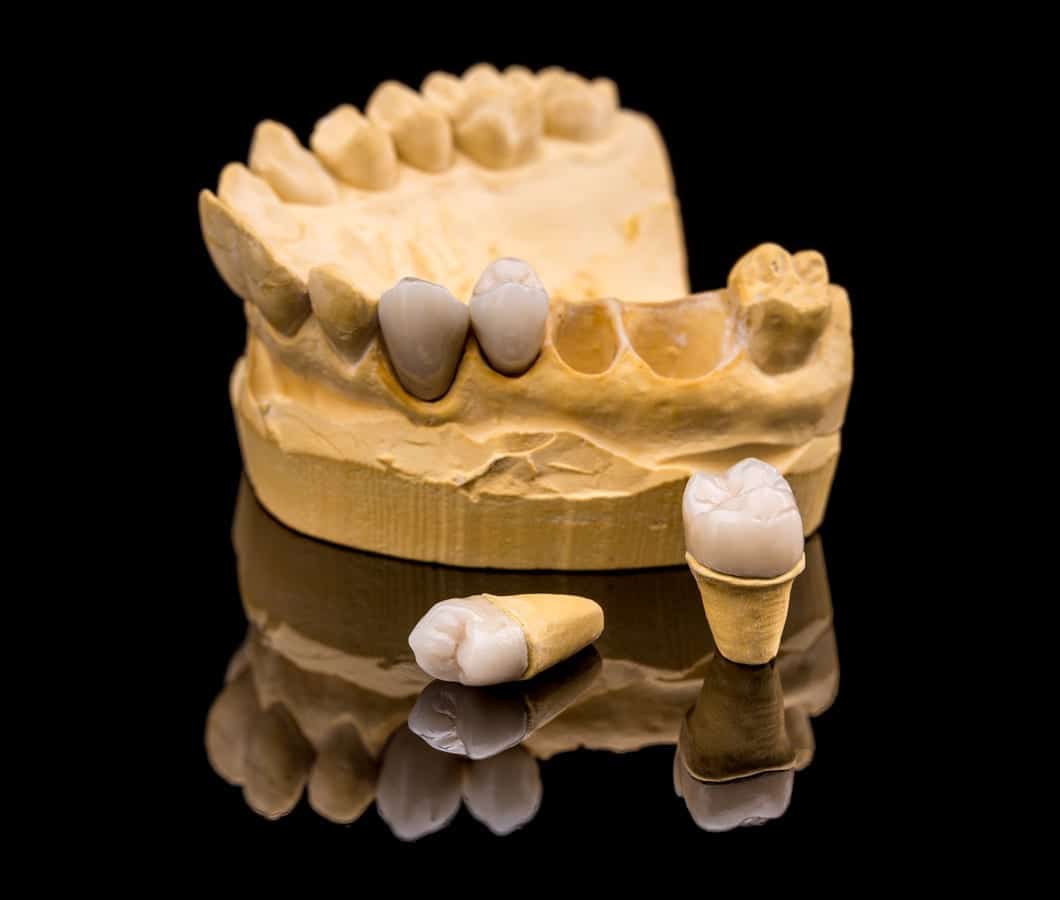
Once the implant fuses with the bone, a connector piece called an abutment is attached. A custom-made dental crown is then placed on top. The result looks and functions just like a natural tooth. No one will be able to tell the difference.
Implants are different from dentures or bridges in one key way. They replace the root of the tooth, not just the visible portion. This is what makes them so durable and natural-feeling. They also help preserve the structure of your jawbone over time.
Who Is a Good Candidate for Dental Implants?
Most adults in good general health can qualify for dental implants. However, a thorough evaluation is always needed first. Our dental team will assess your bone density, gum health, and overall oral health. These factors all play a role in implant success.
Sufficient jawbone density is one of the most important requirements. Without enough bone, the implant may not fuse properly. In some cases, a bone graft can be performed beforehand. This builds up the bone and makes implant placement possible.
Certain health conditions may affect candidacy. Uncontrolled diabetes or autoimmune conditions can slow healing. Smoking also reduces the success rate of implants significantly. Your dental team will discuss all relevant factors during your consultation.
- Good overall physical health
- Healthy gum tissue with no active gum disease
- Adequate jawbone density or eligibility for bone grafting
- Non-smoker or willingness to quit before and after the procedure
- Commitment to regular dental hygiene and follow-up visits
The Dental Implant Process Step by Step
Understanding the process helps reduce anxiety and set realistic expectations. Dental implant treatment typically happens in multiple stages over several months. Each stage is important for long-term success. Here is what you can generally expect.
- Initial Consultation: Your dental team evaluates your oral health, takes X-rays, and creates a treatment plan.
- Implant Placement: The titanium post is surgically placed into the jawbone under local anesthesia.
- Healing Period: The bone fuses with the implant over the course of several weeks to months.
- Abutment Attachment: Once healed, the connector piece is secured to the implant.
- Crown Placement: A custom crown is created and attached, completing your new tooth.
The healing period is the longest part of the process. Most patients experience mild soreness after surgery. This is manageable with over-the-counter pain relief. Your dental team will provide detailed aftercare instructions at each stage.
The entire process from start to finish can take anywhere from three to nine months. This varies depending on healing time and whether additional procedures are needed. Patience during this period is key. The end result is well worth the wait.
Benefits of Dental Implants Compared to Other Options
Dental implants offer several advantages over traditional tooth replacement methods. Bridges require filing down healthy adjacent teeth. Dentures can slip, cause discomfort, and require removal at night. Implants eliminate these drawbacks entirely.
One of the most significant benefits is bone preservation. When a tooth is lost, the jawbone in that area begins to shrink. An implant stimulates the bone just like a natural root does. This prevents the bone loss that leads to facial sagging over time.
- Permanent solution that can last a lifetime with proper care
- No impact on surrounding healthy teeth
- Improved ability to chew a wide variety of foods
- Natural appearance that blends seamlessly with your smile
- Prevents jawbone deterioration and maintains facial structure
- No need for adhesives or removal at night
Implants also support better oral hygiene. You brush and floss them just like natural teeth. There are no special cleaning solutions or soaking routines required. This simplicity is something many patients appreciate greatly.
Caring for Your Dental Implants Long Term
Implants are durable, but they still require consistent care. Brushing twice daily and flossing regularly is essential. Plaque can still build up around the implant and cause gum issues. Good hygiene habits protect both the implant and surrounding teeth.
Regular dental checkups are also critical. Our dental team will monitor the implant, the surrounding bone, and your overall oral health. Catching any issues early keeps your implant performing well for years. Most implants last twenty years or more with proper care.
Avoid habits that can damage implants. Chewing ice or hard objects puts unnecessary stress on the crown. Grinding your teeth at night can also be harmful. A custom nightguard may be recommended if bruxism is a concern.
If you have questions about your implant at any point, do not wait for your next scheduled visit. Contact our team promptly. Early attention to concerns prevents more significant problems from developing. Our team is always here to support your long-term dental health.
Dental implants represent a significant advancement in restorative dentistry. They offer a reliable, long-lasting solution for missing teeth. Choosing implants means investing in your oral health, your appearance, and your overall well-being. To explore whether this option is right for you, Learn More about how we can help you.
Frequently Asked Questions
How long do dental implants last?
With proper care and regular dental visits, dental implants can last twenty years or more. Many patients keep their implants for a lifetime. The crown on top may need replacement after ten to fifteen years due to normal wear. Good oral hygiene is the biggest factor in long-term success.
Is the dental implant procedure painful?
Most patients report less discomfort than they expected. The procedure is performed under local anesthesia, so you should not feel pain during surgery. Some soreness and swelling are normal in the days following placement. Over-the-counter pain medication is usually sufficient for managing this.
How do I know if I need a bone graft before getting implants?
Your dental team will take X-rays and evaluate your jawbone density during your consultation. If bone loss has occurred, a graft may be recommended before implant placement. A bone graft adds volume and strength to the jaw. This step ensures the implant has a secure foundation to fuse with.
Can dental implants fail?
Implant failure is rare but can occur. Risk factors include smoking, uncontrolled health conditions, and poor oral hygiene. Signs of a problem include pain, swelling, or a loose-feeling implant. If you notice any of these, contact your dental team right away for an evaluation.
How do I get started with dental implants at Dawson Modern Dentistry – Matthews?
The first step is scheduling a consultation with our dental team. We will review your oral health history, take necessary imaging, and discuss your goals. From there, we create a personalized treatment plan designed around your specific needs. Visit our services page to learn more about what we offer, or learn about our team before your first visit.
More Blog Posts

August 24, 2026
Your Smile Makeover Awaits: What Happens at Each Bonding Appointment

August 17, 2026
Unbearable Tooth Pain at 2 AM: Your Real Options Right Now
August 10, 2026
Make Your Dental Crown Last: The Complete Care Guide for Matthews Patients

August 3, 2026
Midnight Tooth Pain: Your Real Options Beyond the ER Visit

July 27, 2026