
Who Is a Good Candidate for Dental Implants?
April 28, 2026
Dental Implants
Tooth loss is more common than most people realize, especially among adults juggling busy routines, seasonal allergies, and everyday wear on their teeth. The good news is that modern dentistry offers long-term solutions that restore both function and confidence. One question patients often ask is simple: “Am I eligible for dental implants?”
The answer depends on several factors, not just the number of missing teeth. In this guide, you’ll learn what really determines eligibility, which health conditions matter, and when additional care may be needed before treatment.
At Dawson Modern Dentistry, every evaluation is based on clinical precision and a personalized approach. A thorough assessment ensures that your treatment is safe, predictable, and built for long-term success because replacing a tooth is only part of the goal; restoring your quality of life is the priority.
What Dental Implants Are and How They Work
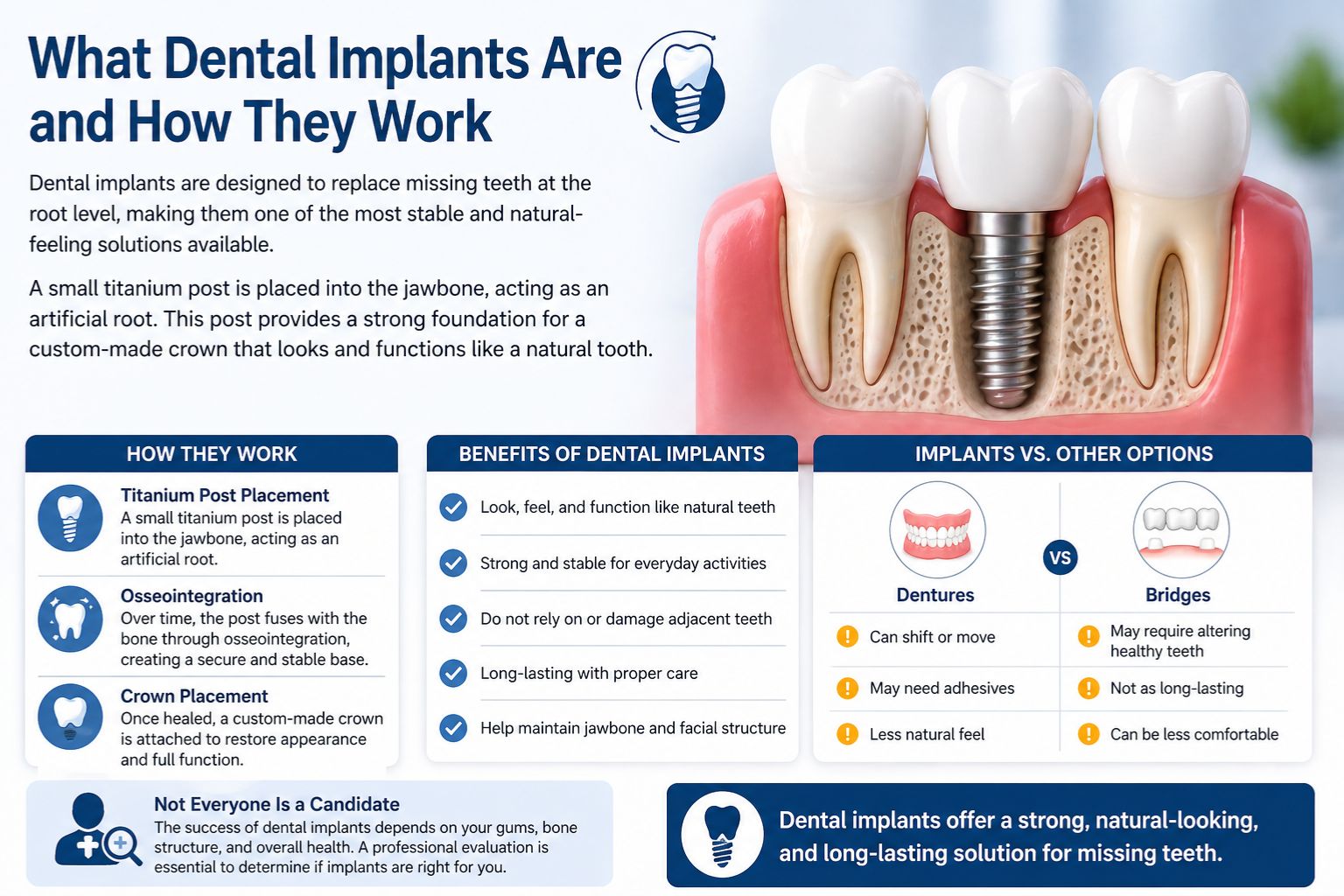
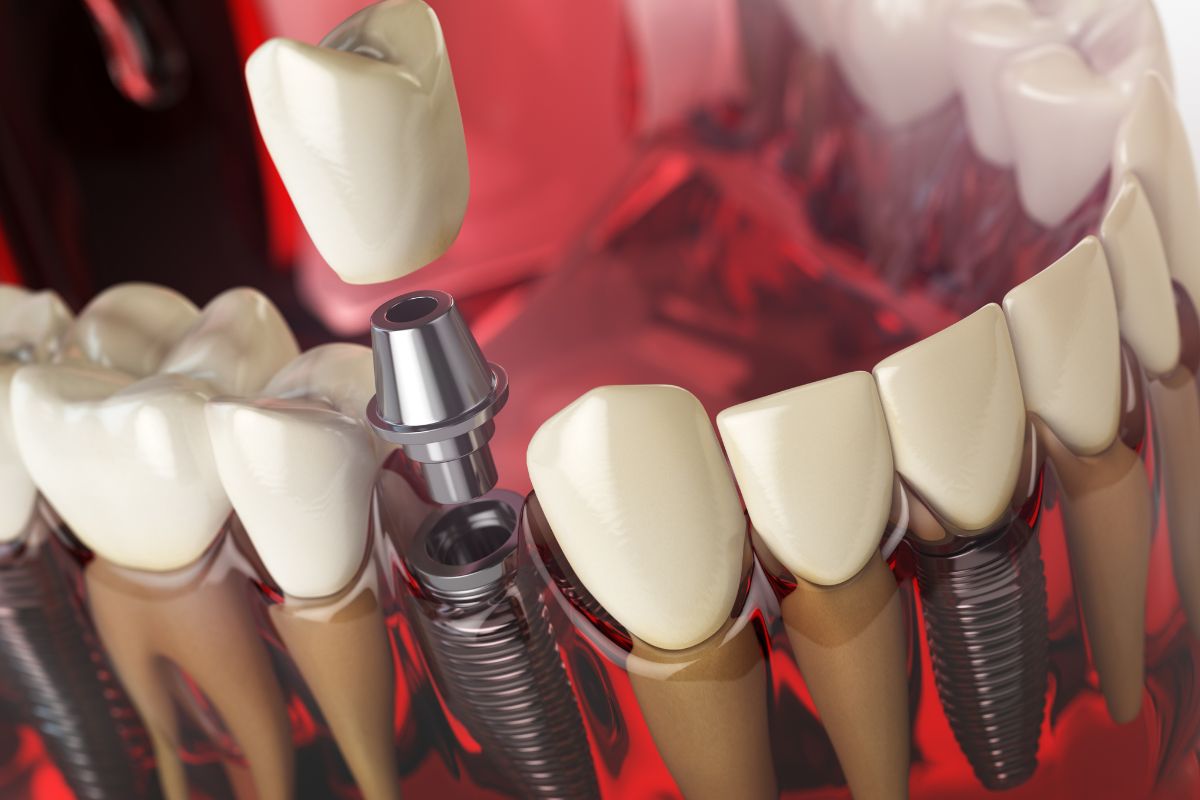
Dental implants are designed to replace missing teeth at the root level, making them one of the most stable and natural-feeling solutions available. Instead of resting on the gums like dentures or relying on nearby teeth like bridges, this treatment involves placing a small titanium post into the jawbone. This post acts as an artificial root, providing a strong foundation for a custom-made crown that looks and functions like a natural tooth.
Over time, the titanium integrates with the surrounding bone through a process called osseointegration. This biological connection allows the implant to remain secure during everyday activities like chewing, speaking, and smiling. Once healing is complete, a crown is attached to restore both appearance and function.
Compared to traditional options, dental implants in Matthews offer several advantages. Dentures can shift or require adhesives, while bridges may involve altering healthy teeth. Implants, on the other hand, are independent and long-lasting, making them a preferred choice for many patients.
However, candidacy is not automatic. The success of this treatment depends on the condition of your gums, bone structure, and overall health. That is why a professional evaluation is essential before moving forward.
Core Factors That Determine Implant Candidacy
Healthy Gums and Oral Environment
Healthy gums are the foundation of successful implant placement. Conditions like gum disease can weaken the supporting structures around the teeth and increase the risk of complications. A stable periodontal environment ensures that the implant can integrate properly and remain secure over time.
Adequate Jawbone Density
Bone support plays a critical role. When a tooth is missing for an extended period, the jawbone in that area can begin to shrink. This natural process may affect the stability needed for an implant. Sufficient bone density allows the titanium post to anchor firmly and function effectively.
Overall Health and Medical Conditions
Your overall health influences healing and recovery. Conditions such as diabetes or autoimmune disorders can impact how the body responds after placement. Controlled conditions are often manageable, but a detailed medical history helps ensure safe planning.
Lifestyle Habits
Daily habits also matter. Smoking, for example, can slow healing and increase the risk of implant failure. Consistent oral hygiene supports long-term success by keeping the surrounding tissues healthy and free from infection.
Who Typically Makes a Good Candidate
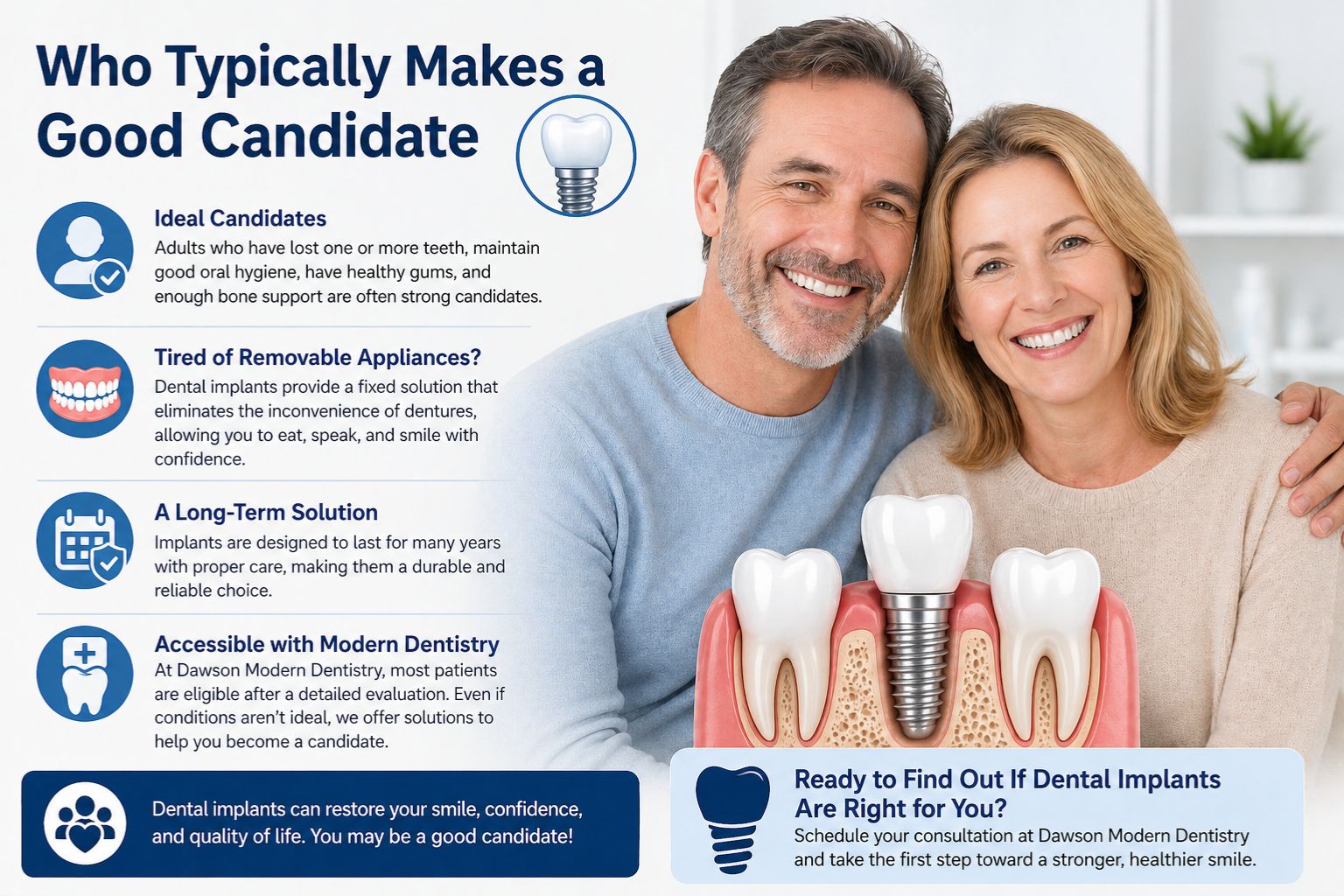
Many adults are surprised to learn that they may already be suitable candidates for this treatment. Individuals who have lost one or more teeth and maintain good oral hygiene are often strong candidates. Those with stable gums, adequate bone support, and a commitment to maintaining their oral health tend to experience the most predictable outcomes.
People who are tired of dealing with removable appliances also benefit greatly. Dentures can feel inconvenient during daily life, especially when enjoying meals at local spots or speaking confidently in social settings. Implants provide a fixed solution that blends naturally with existing teeth, allowing for a more comfortable experience.
Patients seeking a long-term option often choose this approach because of its durability and functionality. Unlike temporary fixes, implants are designed to last for many years with proper care.
At Dawson Modern Dentistry, many patients from the surrounding community discover they are eligible after a detailed evaluation. Even if certain conditions are not ideal at first, modern dentistry offers ways to prepare and improve candidacy, making this solution accessible to more people than expected.
When You May Need Preparatory Procedures
Bone Grafting
If there is not enough bone to support an implant, a bone graft may be recommended. This procedure rebuilds the jawbone, creating a stable foundation for placement.
Gum Disease Treatment
Treating gum disease is essential before moving forward. Stabilizing the gums reduces the risk of complications and improves long-term success.
Sinus Lift
For upper jaw cases, a sinus lift may be required. This procedure gently raises the sinus area to create space for additional bone support, ensuring proper placement.
Who May Not Be an Immediate Candidate
Some patients may need to delay treatment until certain conditions are addressed. Heavy smokers who are not ready to modify their habits may face challenges with healing. Untreated gum disease can compromise stability and must be managed first.
Severe bone loss without intervention can also limit candidacy, though procedures like grafting often provide a solution. Additionally, younger patients whose jaw development is still ongoing are typically advised to wait until growth is complete.
These factors do not necessarily mean implants are not possible. They simply indicate that preparation is required to ensure a safe and successful outcome.
Age and Dental Implants: What Matters More
There is no strict upper age limit for this treatment. What matters most is the health of the bone and surrounding tissues. Many older adults successfully receive implants and enjoy restored function and confidence.
Age alone does not determine eligibility. A healthy lifestyle, good oral hygiene, and stable medical conditions play a much larger role. Patients in their 60s, 70s, and beyond often qualify after proper evaluation, proving that it is never too late to explore long-term tooth replacement options.
How a Dentist Evaluates Your Eligibility
A thorough evaluation is the first step toward determining candidacy. This process typically includes a detailed oral exam to assess gum health and existing structures. Digital imaging or X-rays provide a clear view of bone density and help guide precise planning.
Your medical history is also reviewed to identify any conditions that may affect healing. Based on these findings, a personalized treatment plan is created to ensure predictable results.
At Dawson Modern Dentistry, this approach focuses on clinical accuracy and patient comfort. Every step is designed to provide clarity, helping you understand your options and feel confident about your decision.
Benefits of Being a Good Candidate for Implants
When the right conditions are met, implants offer significant advantages. They provide stability that allows you to eat, speak, and smile without hesitation. The restoration is designed to match your natural teeth, creating a seamless appearance.
Another key benefit is bone preservation. Because the implant replaces the root, it helps maintain the structure of the jawbone, preventing the shrinkage that often follows tooth loss.
Beyond physical benefits, many patients experience a boost in confidence. Everyday interactions feel more comfortable, whether you are enjoying a meal at a local restaurant or speaking in a professional setting.
What to Expect If You Qualify
The process begins with a consultation where your oral health and goals are reviewed. Once approved, the implant is placed into the jawbone in a carefully planned procedure.
A healing period follows, allowing the implant to integrate with the bone. This stage is essential for long-term stability. After healing, a custom crown is attached, completing the restoration.
Each step is designed to be as comfortable and predictable as possible. With proper care and regular checkups, the results can last for many years.
Candidacy for implants depends on your overall oral and medical health, not just the presence of missing teeth. Many patients qualify, and even those who are not immediate candidates often become eligible with the right preparation.
If you are considering this option, the next step is a professional evaluation. At Dawson Modern Dentistry, patients receive personalized guidance to determine the best path forward. Taking that step can bring you closer to a solution that restores both function and confidence in your everyday life.
Frequently Asked Questions
How long does the dental implant process take?
The full process can take several months. This includes placement, healing time for the implant to integrate with the bone, and attaching the final crown for a natural look and function.
How long do dental implants last?
With proper care, implants can last many years. Maintaining good oral hygiene, attending regular checkups, and avoiding harmful habits help ensure long-term stability and function.
Do dental implants require special care?
No special products are needed. Daily brushing, flossing, and routine checkups are enough. Keeping the surrounding gums healthy is key to maintaining long-term success and preventing complications.
Can I return to normal activities after the procedure?
Most patients resume light daily activities within a day or two. However, it’s best to avoid strenuous exercise for a short period to allow proper healing and reduce the risk of irritation at the site.
What makes implants feel natural compared to other options?
Implants are anchored into the jawbone, just like natural tooth roots. This stability allows for normal biting pressure and a natural feel, helping patients speak and eat comfortably without worrying about movement.
More Blog Posts

August 24, 2026
Your Smile Makeover Awaits: What Happens at Each Bonding Appointment

August 17, 2026
Unbearable Tooth Pain at 2 AM: Your Real Options Right Now
August 10, 2026
Make Your Dental Crown Last: The Complete Care Guide for Matthews Patients

August 3, 2026
Midnight Tooth Pain: Your Real Options Beyond the ER Visit

July 27, 2026