

Why Dr. Dawson Recommends Root Canal Over Extraction
November 3, 2025
Root Canal
Deciding what to do with a damaged or decayed tooth isn’t easy. Patients often wonder whether they should save the tooth with a root canal or simply have it extracted. Dr. Ashley Dawson at Dawson Modern Dentistry doesn’t hesitate; she’s all for a root canal. Keeping your natural tooth, she says, is almost always better for your mouth and your health.
Let’s break it down. A root canal repairs and saves a tooth that’s badly infected or decayed. Extraction? That’s just taking the tooth out. Sometimes, you may need to remove a tooth; however, Dr. Dawson always aims to preserve your natural teeth whenever possible.
Here’s why she usually recommends a root canal instead of extraction.
First off, nothing beats your own teeth. Dr. Dawson and her team see it every day—when you keep your natural teeth, your smile looks better, and your mouth functions the way it should. Lose a tooth, and suddenly, chewing feels different. Worse, it can trigger other problems, such as jawbone loss.
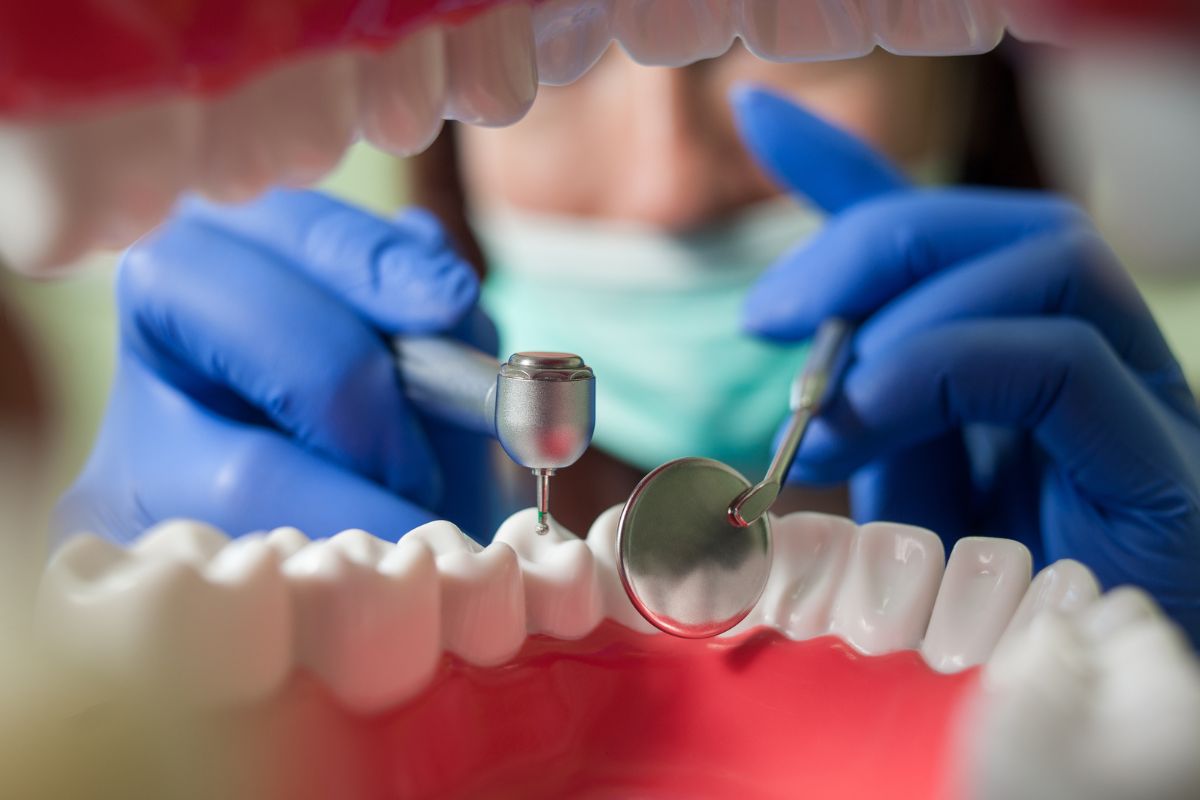
During a root canal, Dr. Dawson removes the infected tissue inside the tooth and seals it to prevent further infection. The tooth keeps doing its job, and you keep your own smile—no extra dental work needed.
Some folks think pulling a tooth is simpler and faster, but it’s not that simple in the long run. After an extraction, you often need an implant, bridge, or dentures. These fixes can get expensive, take up more of your time, and let’s be honest—nothing feels quite like your own tooth.
Root canals, on the other hand, are effective and can last for years if proper care is taken. Keeping the tooth helps your bite and jaw stay aligned, so you’re less likely to need more dental work down the road.
So, when do you need a root canal?
Usually, it’s when the pulp, deep inside the tooth, gets infected from decay or injury. Signs you might need one include:
- Sharp tooth pain, especially when you chew
- Sensitivity to hot or cold that lingers longer than usual
- Swollen or tender gums near the tooth
- Black teeth
If any of that sounds familiar, Dr. Dawson will take a close look and determine if a root canal is the right option for you.
Pulling a tooth might sound easier, but it often causes more headaches later. Fixing things early with a root canal can save you time, money, and hassle.
Worried about the procedure?
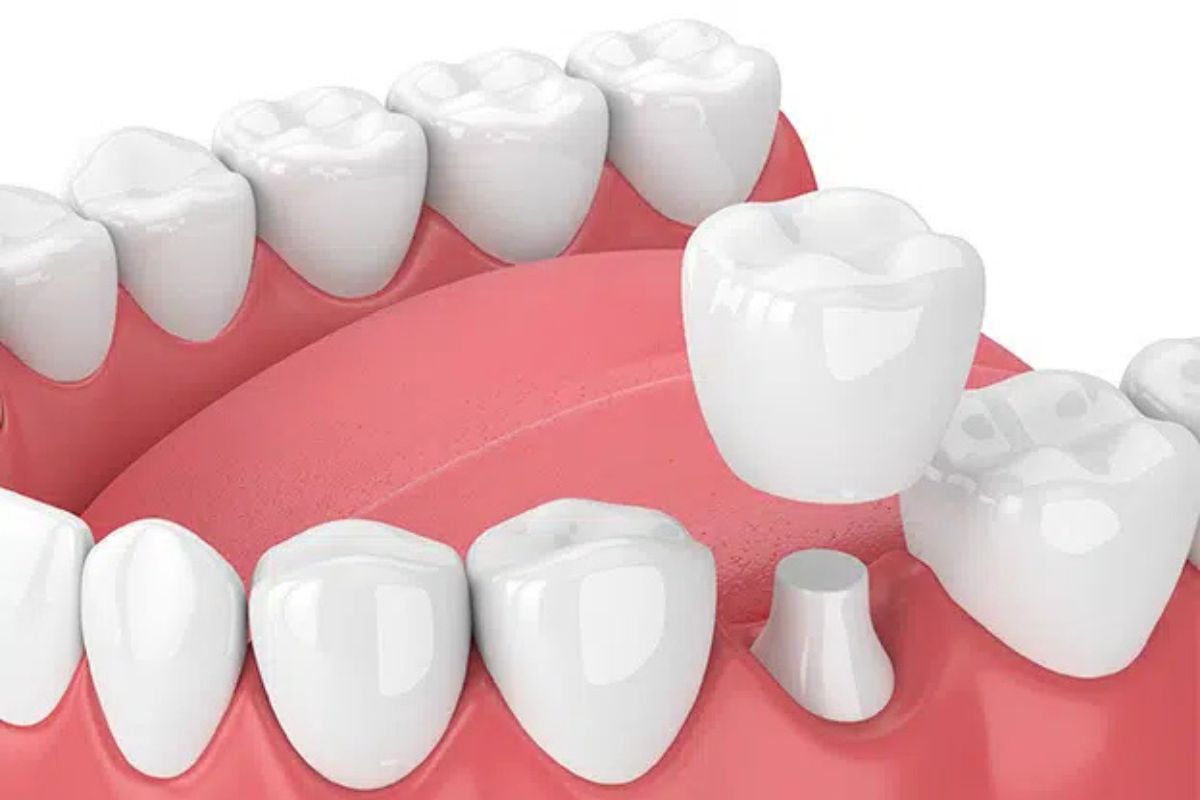
Don’t be. Root canals aren’t as scary as they sound. Dr. Dawson numbs the area to prevent pain. She cleans out the infection, seals the tooth, and often puts a crown on top to protect it. You might need one or two visits, depending on the case. Most people feel fine after a day or two.
At Dawson Modern Dentistry, Dr. Dawson prioritizes your long-term health. She recommends root canals because they help you keep your natural teeth and avoid extensive, pricier problems. If your tooth hurts or just feels off, don’t wait. Book a visit with Dr. Dawson’s team and see what’s best for your smile.
FAQs
- What happens if I don’t get a root canal?
If you choose not to undergo a root canal when recommended, the infection can worsen, leading to pain, abscesses, and potentially requiring an extraction later on. - Is a root canal painful?
Thanks to modern anesthetics, a root canal is no more painful than getting a filling. Most patients feel little to no discomfort during the procedure. - How long will my tooth last after a root canal?
With proper care, a tooth that has had a root canal can last many years, often a lifetime. A crown can help protect the tooth and ensure its long-term health. - Can a root canal fail?
While rare, root canal treatments can fail if the infection returns or if the tooth is not properly sealed. However, with proper care and follow-up, root canals are highly successful.
More Blog Posts

March 6, 2026
Is Dental Bonding Safe for Teeth? Long-Term Effects Explained

March 5, 2026
What Can Dental Bonding Fix? Chips, Gaps & Discoloration
March 5, 2026
How Long Do Dental Fillings Last?

February 4, 2026
Composite vs. Amalgam Fillings: Which Is Better for Your Smile?
January 28, 2026