

Is Dental Bonding Safe for Teeth? Long-Term Effects Explained
March 6, 2026
Dental Bonding
A small chip on a front tooth. A slight gap between teeth that catches your eye in photos. Or a stain that does not respond to whitening. These minor imperfections are common, and many people begin looking for simple cosmetic options to improve their smile without major dental procedures.
One popular solution people often consider is dental bonding. Patients frequently ask whether this treatment is safe for their teeth and if it could cause damage over time. The good news is that bonding is generally viewed as a conservative cosmetic option because it usually requires very little alteration to the natural tooth.
In this guide, we will explain what dental bonding involves, whether it is safe for natural teeth, and what long-term effects you should know about. We will also discuss how long results typically last and who may be a good candidate for this treatment. For patients visiting Dawson Modern Dentistry, understanding these details can help you make confident decisions about improving your smile.
What Is Dental Bonding?
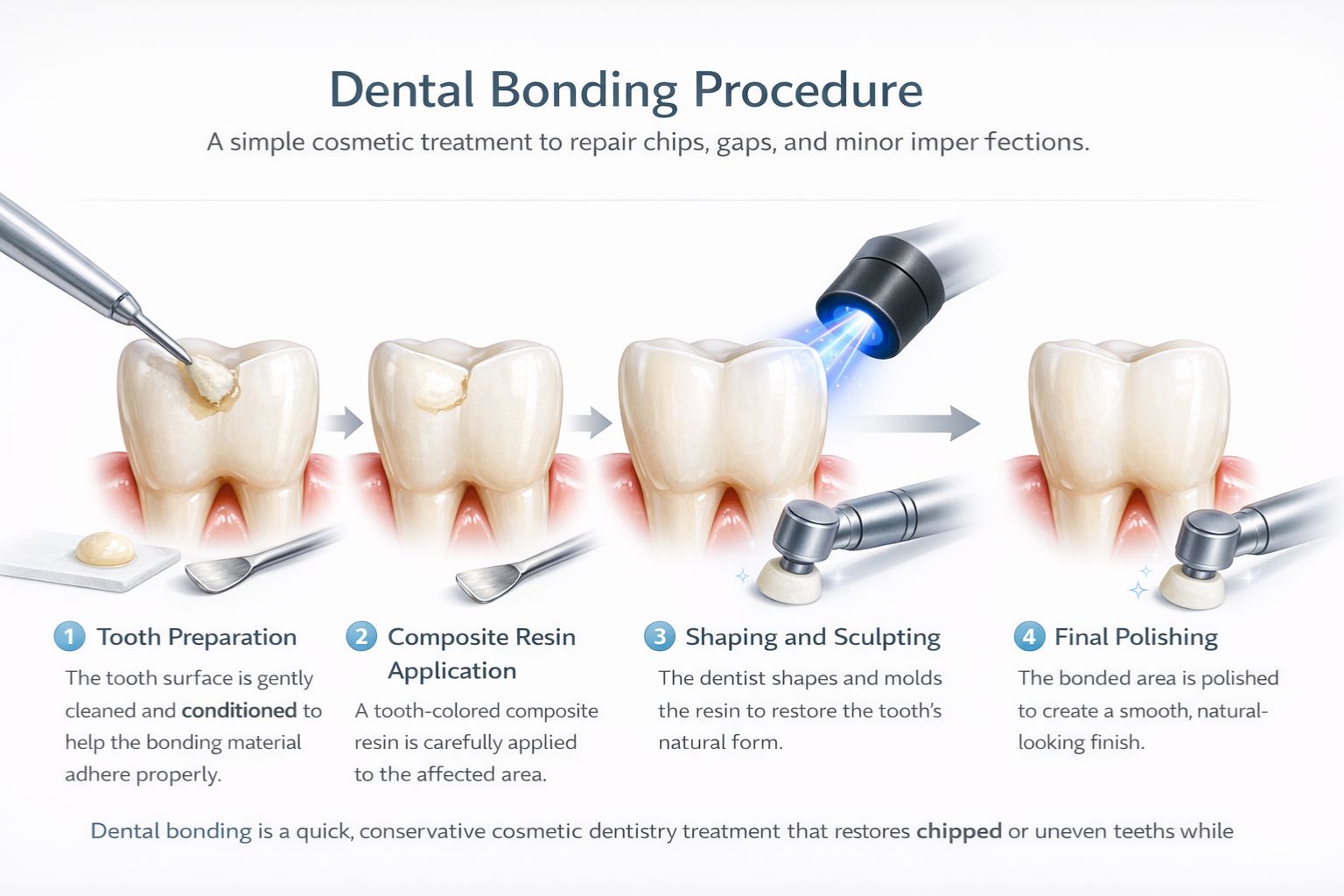
Cosmetic improvements do not always require extensive procedures. In many cases, small imperfections can be corrected with a simple technique that restores the tooth’s appearance while preserving its natural structure.
Dental bonding uses a tooth-colored composite resin that is carefully applied to the surface of a tooth. The material is designed to match the shade of your natural teeth, so the repair blends in naturally with your smile. Because the treatment focuses on minor cosmetic concerns, it usually requires very little preparation compared to procedures such as veneers or crowns.
The process typically follows several straightforward steps:
- Tooth surface preparation– The tooth is gently cleaned and slightly conditioned to help the material attach properly.
- Composite resin application– A soft resin material is placed onto the tooth.
- Shaping and sculpting– The material is carefully shaped to correct chips, gaps, or uneven edges.
- Hardening with a curing light– A special light hardens the resin, securing it to the tooth.
- Final polishing– The treated area is smoothed and polished so it blends naturally with surrounding teeth.
Because little to no enamel removal is required, this procedure is often considered one of the most conservative cosmetic dentistry options available. Many treatments can also be completed in a single visit, making it convenient for patients who want noticeable improvements without extensive dental work.
Is Dental Bonding Safe for Your Teeth?
When patients consider cosmetic treatments, one of the most common concerns is whether the procedure could harm their natural teeth. Fortunately, this treatment is generally regarded as safe when performed properly.
In most cases, bonding does not damage natural enamel. The process typically involves minimal preparation, meaning the underlying tooth structure remains largely untouched. Unlike some restorative procedures that require reshaping the tooth, bonding usually focuses on adding material rather than removing it.
Another advantage is that the treatment can often be reversible. Because very little enamel is removed, patients may choose other cosmetic treatments later if their goals change. The composite material used in the procedure is designed to adhere securely to the tooth while still maintaining the integrity of the natural enamel underneath.
Bonding is frequently used to correct small cosmetic concerns such as chips, uneven edges, and discoloration. Dentists have relied on this technique for many years because it provides an effective solution for minor imperfections while maintaining the health of the natural tooth.
Modern materials and techniques have made dental bonding in Matthews a reliable part of everyday dental care. When applied correctly and maintained properly, it can improve the appearance of teeth without compromising their long-term health.
What Are the Long-Term Effects of Dental Bonding?
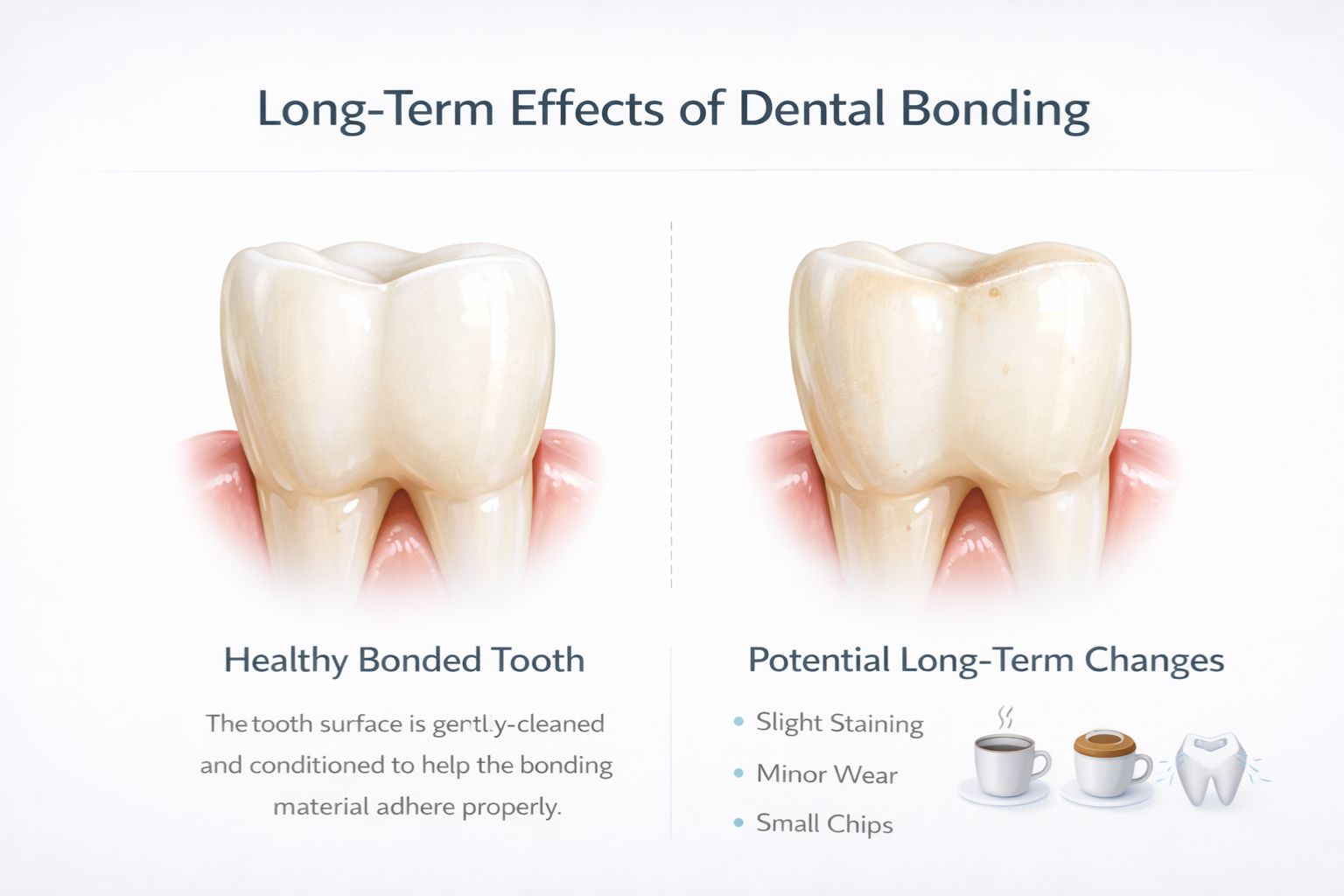
Most patients experience positive results after dental bonding treatment, especially when the procedure is used for minor cosmetic corrections. Over time, the material can help restore a more even, balanced appearance while also protecting areas of the tooth that may have been chipped or slightly weakened.
One long-term benefit is improved confidence in your smile. Small imperfections can draw attention when speaking or smiling, and bonding helps smooth those areas so teeth look more uniform. In cases where a minor chip is present, the material may also help shield the damaged area from additional wear.
However, like any dental material, bonding is not completely immune to changes over time. Some patients may notice staining after several years, particularly if they frequently consume beverages such as coffee, tea, or red wine. The resin material can absorb pigments more easily than natural enamel.
Another possibility is chipping or gradual wear, especially if the treated tooth is exposed to strong biting pressure. Habits such as nail biting, chewing ice, or grinding teeth at night may shorten the lifespan of the bonded area.
The good news is that these concerns are usually manageable. Minor repairs or touch-ups can often restore the appearance of the treated tooth. Regular dental checkups also allow your dentist to monitor the condition of the bonding and recommend adjustments if necessary.
With proper care and healthy oral habits, bonding can remain stable and functional for many years.
How Long Does Dental Bonding Last?
The longevity of bonding depends on several factors, including lifestyle habits and oral care routines. In many cases, bonding can last five to ten years before needing replacement or repair.
Several factors influence how long the results remain in good condition:
- Oral hygiene habits– Consistent brushing and flossing help protect both natural teeth and bonded surfaces.
- Biting habits– Chewing hard foods or objects can place extra pressure on the material.
- Teeth grinding– Nighttime grinding can wear down bonded areas faster.
- Diet and staining foods– Dark beverages and foods may cause discoloration over time.
- Location of the tooth– Bonding on front teeth may experience less pressure than molars used for heavy chewing.
Front teeth are the most common location for bonding, and these restorations often last longer because they are not exposed to the same biting forces as back teeth.
Routine dental visits help ensure that any wear or staining is addressed early, allowing the material to be polished, repaired, or replaced when needed.
Who Is a Good Candidate for Dental Bonding?
Bonding is most effective for patients who want to correct minor cosmetic concerns rather than major structural damage. When the natural tooth is still healthy and strong, dental bonding in Matthews can provide a simple way to improve its appearance.
Good candidates often include individuals with:
- Small chips or minor cracks
- Slight gaps between teeth
- Discoloration that whitening cannot fully correct
- Uneven or irregular tooth edges
- Slightly misshaped teeth
Because the treatment focuses on cosmetic enhancement, it works best when the underlying tooth structure is still intact. Patients with severe fractures, extensive decay, or large structural problems may require other restorative options such as crowns.
During a consultation at Dawson Modern Dentistry, the dentist evaluates the condition of your teeth and discusses whether bonding or another cosmetic option would be more appropriate for your goals.
How to Care for Bonded Teeth
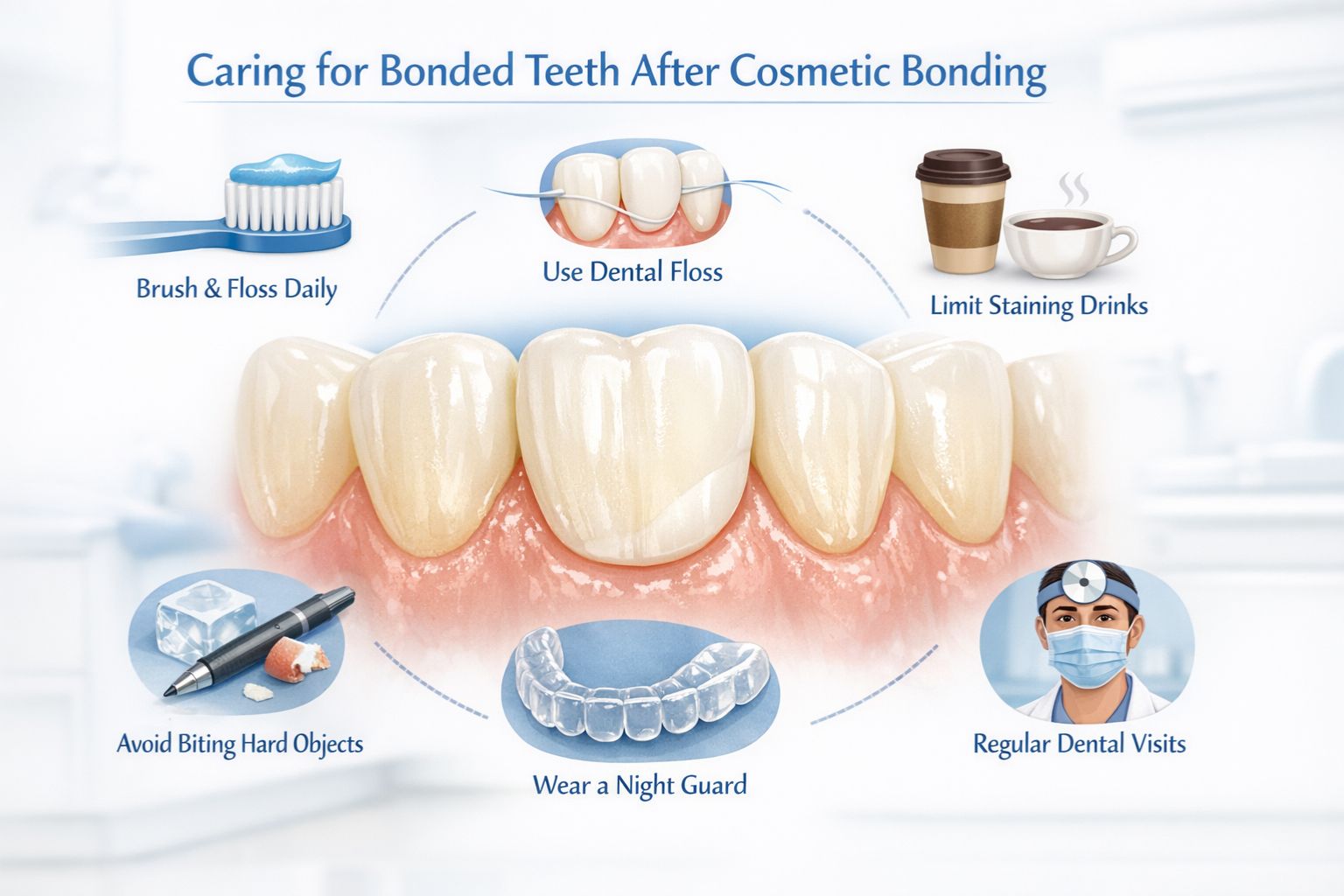
Caring for bonded teeth is very similar to caring for natural teeth. Good oral hygiene habits play a major role in helping the material last as long as possible.
Patients can help maintain their results by following these simple tips:
- Brush twice daily and floss regularly
- Limit beverages that can stain teeth, such as coffee, tea, and wine
- Avoid biting hard objects like ice, pens, or fingernails
- Wear a night guard if you grind your teeth during sleep
- Visit your dentist regularly for cleanings and examinations
These habits protect both natural enamel and the bonded surface. Routine dental visits also allow your dentist to monitor the condition of the restoration and polish away minor stains when necessary.
Consistent care helps keep the treated area smooth, functional, and visually consistent with surrounding teeth.
When Should Dental Bonding Be Replaced?
Although bonding is durable, it may eventually need replacement or repair. Over time, normal chewing and daily use can cause gradual wear.
Some common signs that bonding may need attention include:
- Visible wear or thinning of the material
- Small chips or fractures in the bonded area
- Stains that cannot be removed with polishing
- Rough edges or uneven surfaces
- Spaces forming between the tooth and the bonded material
Fortunately, repairs are usually simple. Dentists can often reshape or add new composite material to restore the tooth’s appearance. In many cases, replacement is quick and can be completed during a routine dental appointment.
Addressing these changes early helps maintain both the appearance and function of the tooth.
Cosmetic dental treatments should enhance your smile without compromising the health of your natural teeth. Bonding is widely regarded as a safe and conservative option because it typically preserves most of the original tooth structure while correcting small imperfections.
With proper care, the long-term effects are usually minimal, and many patients enjoy improved smile symmetry and confidence for years. Regular dental visits and healthy habits play an important role in maintaining these results.
If you are considering cosmetic improvements to address small chips, gaps, or discoloration, a consultation can help determine whether this treatment is right for you. The team at Dawson Modern Dentistry can evaluate your smile and discuss options designed to help you achieve natural-looking results.
What People Want to Know
How long does dental bonding typically last?
In many cases, bonding can last between five and ten years. The lifespan depends on oral hygiene habits, biting pressure, and lifestyle factors such as diet and teeth grinding.
Can bonded teeth be whitened?
No. Whitening treatments do not change the color of the bonded material. If staining occurs, the surface may need polishing or replacement to match surrounding teeth.
How soon can you eat after dental bonding?
Most patients can eat shortly after the procedure because the material hardens quickly with a curing light. However, dentists may recommend avoiding very hard foods for the first day.
Is dental bonding reversible?
In many cases, yes. Since little enamel is removed during the procedure, patients may choose different cosmetic treatments later if needed.
Can dental bonding stain over time?
Yes, the composite material can absorb stains from beverages like coffee, tea, or red wine. However, regular cleanings and polishing during dental visits can help maintain its appearance.
More Blog Posts
March 6, 2026
Is Dental Bonding Safe for Teeth? Long-Term Effects Explained
March 5, 2026
What Can Dental Bonding Fix? Chips, Gaps & Discoloration
March 5, 2026
How Long Do Dental Fillings Last?
February 4, 2026
Composite vs. Amalgam Fillings: Which Is Better for Your Smile?
January 28, 2026