
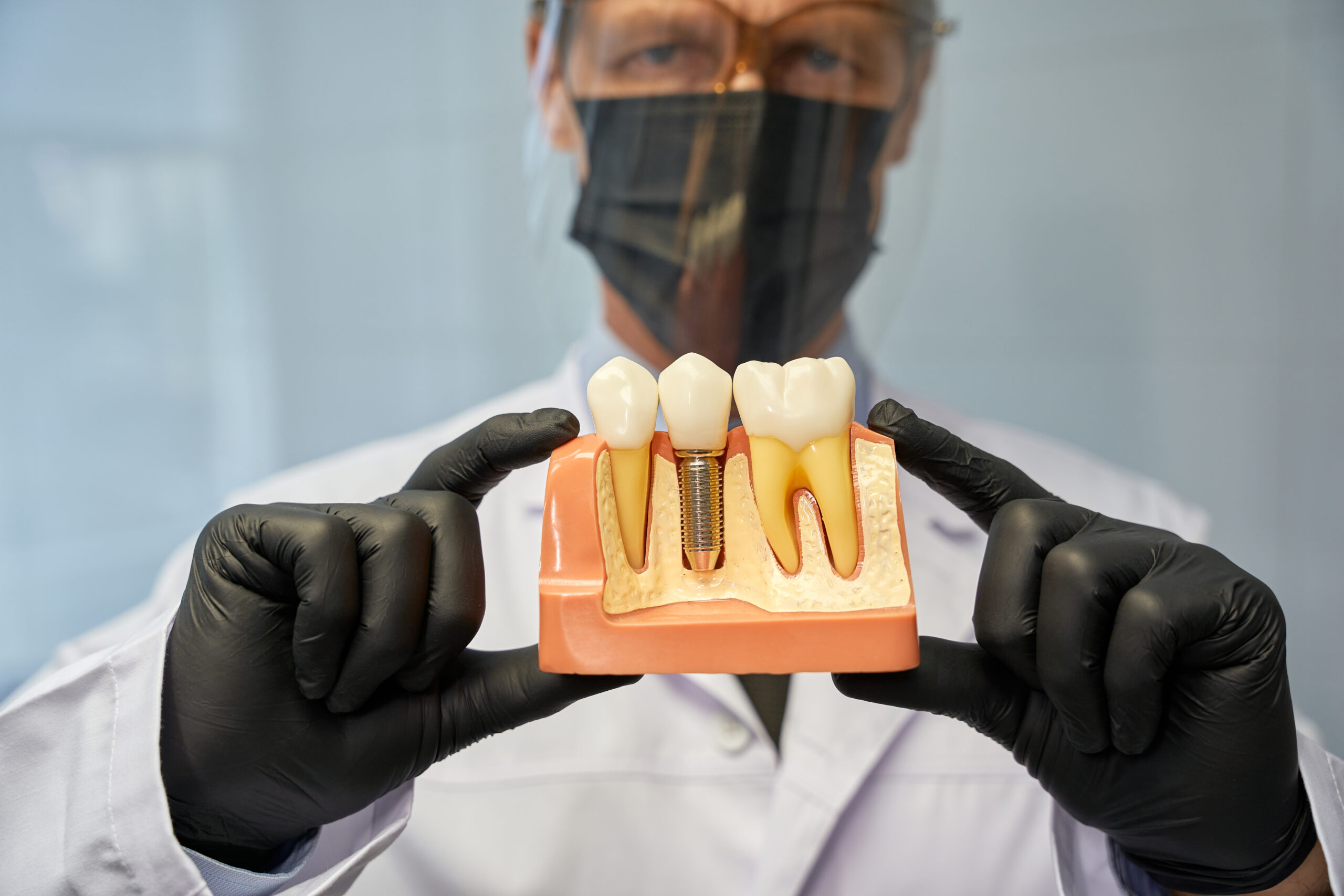
How Long Do Dental Crowns Last and What Affects Their Lifespan?
December 30, 2025
Dental Crowns
Dental crowns are a popular and reliable solution for restoring damaged teeth. Whether you’re addressing a broken tooth, covering a root canal, or enhancing a tooth’s appearance, dental crowns provide a durable solution. But how long can you expect your dental crowns to last, and what factors influence their longevity? At Dawson Modern Dentistry in Matthews, we understand how important it is for our patients to make informed decisions about their dental care. In this blog, we’ll explore the lifespan of dental crowns, what affects their durability, and how to ensure they last as long as possible.
What Are Dental Crowns?
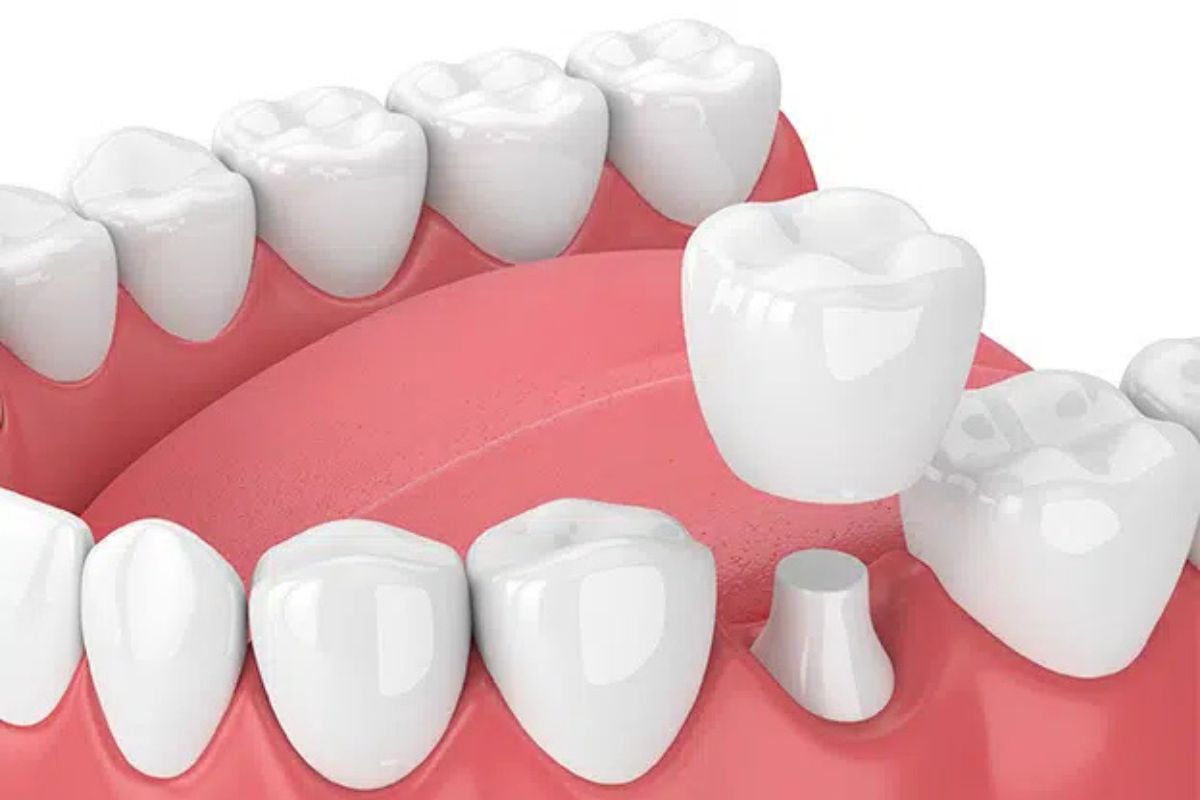
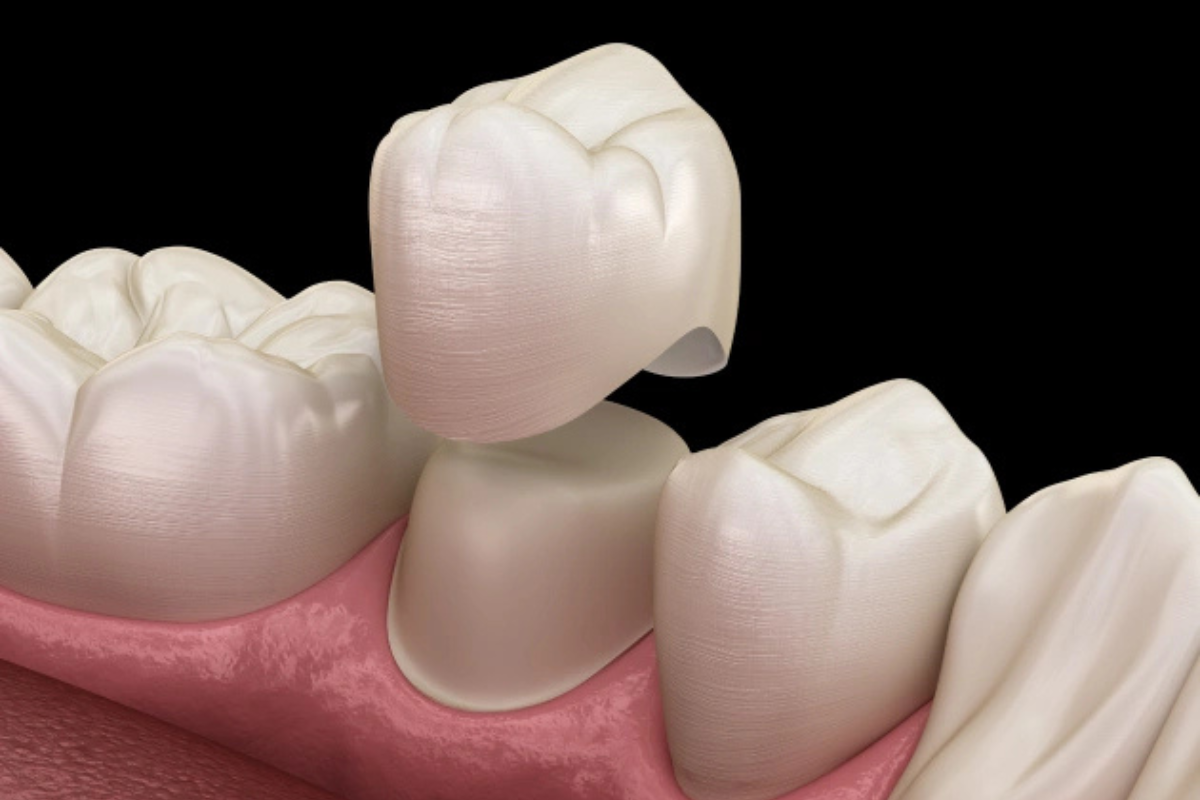
A dental crown is a cap that covers a damaged or decayed tooth to restore its shape, size, and function. Crowns can be made from various materials, including porcelain, metal, or a combination of both. The material chosen often depends on the tooth’s location, the patient’s preferences, and the dentist’s recommendation.
Dental crowns are often used for teeth that have undergone significant damage or decay, providing both aesthetic and functional benefits. They are commonly placed on teeth that have undergone root canal therapy, are severely worn down, or have large fillings.
Lifespan of Dental Crowns
On average, dental crowns can last 10 to 15 years, but with proper care, some can last even longer. However, the longevity of your crown will depend on several factors, including the material used, your oral habits, and the health of the underlying tooth.
Factors Affecting the Lifespan of Dental Crowns
- Material of the Crown
Porcelain Crowns: Porcelain crowns offer a natural look and are highly popular for visible teeth, such as those at the front of your mouth. These crowns are durable but may wear down over time, especially in individuals who grind their teeth.
Porcelain-Fused-to-Metal Crowns: These crowns combine the strength of metal with the aesthetic appeal of porcelain. They are more durable than pure porcelain but may still chip or wear.
Metal Crowns: Metal crowns, made from gold or other alloys, are incredibly durable and can last 15 years or more. However, they are less natural in appearance, making them more suitable for back teeth, where they’re less visible.
Zirconia Crowns: A newer material, zirconia crowns are highly durable and resistant to wear. They offer both strength and aesthetic appeal and are becoming increasingly popular for both front and back teeth. - Oral Hygiene Practices
Regular brushing, flossing, and routine dental check-ups play a significant role in the longevity of your dental crowns. Plaque buildup around the crown can lead to tooth decay, which may affect both the crown and the tooth underneath. Maintain proper oral hygiene to avoid complications that could shorten your crown’s lifespan. - Diet and Habits
Certain habits and dietary choices can significantly impact your crowns. Eating hard foods, chewing ice, or using your teeth to open bottles can put excessive stress on your crown, potentially leading to damage or failure. Additionally, a diet high in sugar can increase the likelihood of tooth decay, which can compromise the integrity of your dental crowns. - Teeth Grinding (Bruxism)
Teeth grinding or clenching can significantly reduce the lifespan of dental crowns, especially if you do it frequently. People who grind their teeth, particularly at night, may wear down their crowns much faster than those who don’t. If you’re prone to grinding your teeth, consider wearing a nightguard to protect your crowns and natural teeth from damage. - Underlying Tooth Health
The health of the tooth beneath the crown is crucial to its longevity. If the tooth becomes weakened or decayed over time, it can affect the crown. For example, a tooth with a large cavity or severe decay may not provide a strong foundation for a crown. In such cases, the crown may need to be replaced sooner than expected. - Proper Fit
A crown that doesn’t fit properly can lead to discomfort and damage to the surrounding teeth. If the crown isn’t properly aligned or bonded to the tooth, it could lead to problems such as gum irritation, decay, or an improper bite. Ensuring the crown is well-fitted from the start can help it last longer.
How to Care for Your Dental Crowns
Taking care of your dental crown is key to making it last for years. Here are some tips to extend the lifespan of your crown:
- Maintain Good Oral Hygiene: Brush and floss regularly, focusing on the area around the crown to prevent plaque buildup.
- Avoid Hard Foods: Don’t bite into hard objects like ice or candy that could damage your crown.
- Wear a Mouthguard: If you grind your teeth at night, talk to your dentist about getting a custom mouthguard to protect your crowns.
- Visit Your Dentist Regularly: Routine dental check-ups can help identify issues early, preventing major problems down the line.
How to Know When to Replace a Crown?
While dental crowns are designed to last a long time, they won’t last forever. Over time, the crown may become loose, crack, or wear down. If you notice any of the following symptoms, it might be time to schedule a visit to Dawson Modern Dentistry in Matthews:
- Pain or Sensitivity: If your crown is causing discomfort or sensitivity, it could indicate that there’s a problem with the underlying tooth or the crown itself.
- Visible Damage: Cracks, chips, or wear on the crown’s surface may require replacement.
- Loose Crown: If your crown feels loose or falls off, it’s essential to see your dentist promptly to avoid further complications.
Dental crowns are an excellent solution for restoring damaged teeth, and with proper care, they can last for many years. By understanding the factors that influence their lifespan, such as material choice, oral hygiene, and lifestyle habits, you can ensure that your crowns stay functional and aesthetically pleasing for as long as possible. At Dawson Modern Dentistry in Matthews, we’re committed to helping our patients maintain healthy, beautiful smiles through personalized care and the latest dental technologies. If you have a crown that’s showing signs of wear or if you’re considering getting one, don’t hesitate to schedule an appointment with us. We’re here to provide you with the highest quality care and help you protect your investment in your smile for years to come.
FAQs
- How long do dental crowns last?
Dental crowns typically last 10 to 15 years, depending on the material used, your oral habits, and the health of the tooth beneath. - Can a dental crown fall out?
Yes, dental crowns can become loose or fall out if the underlying tooth becomes weakened or the crown doesn’t fit properly. - Does insurance cover dental crowns?
Most dental insurance plans cover a portion of the cost of dental crowns, mainly if they’re used to restore a damaged tooth. However, coverage varies, so it’s best to check with your provider. - How do I care for my dental crown?
Maintain good oral hygiene, avoid chewing hard foods, and wear a nightguard if you grind your teeth to prolong the lifespan of your crown. - What happens if my dental crown is damaged?
If your dental crown is damaged, it’s essential to see a dentist as soon as possible. A cracked or loose crown can lead to further damage to the tooth underneath.
More Blog Posts
February 4, 2026
Composite vs. Amalgam Fillings: Which Is Better for Your Smile?
January 28, 2026
How to Know When Your Dental Crown Needs Replacement
January 19, 2026
Dental Crown Problems & How to Fix Them
January 12, 2026
Caring for Your Dental Crowns: Do’s and Don’ts
January 5, 2026