
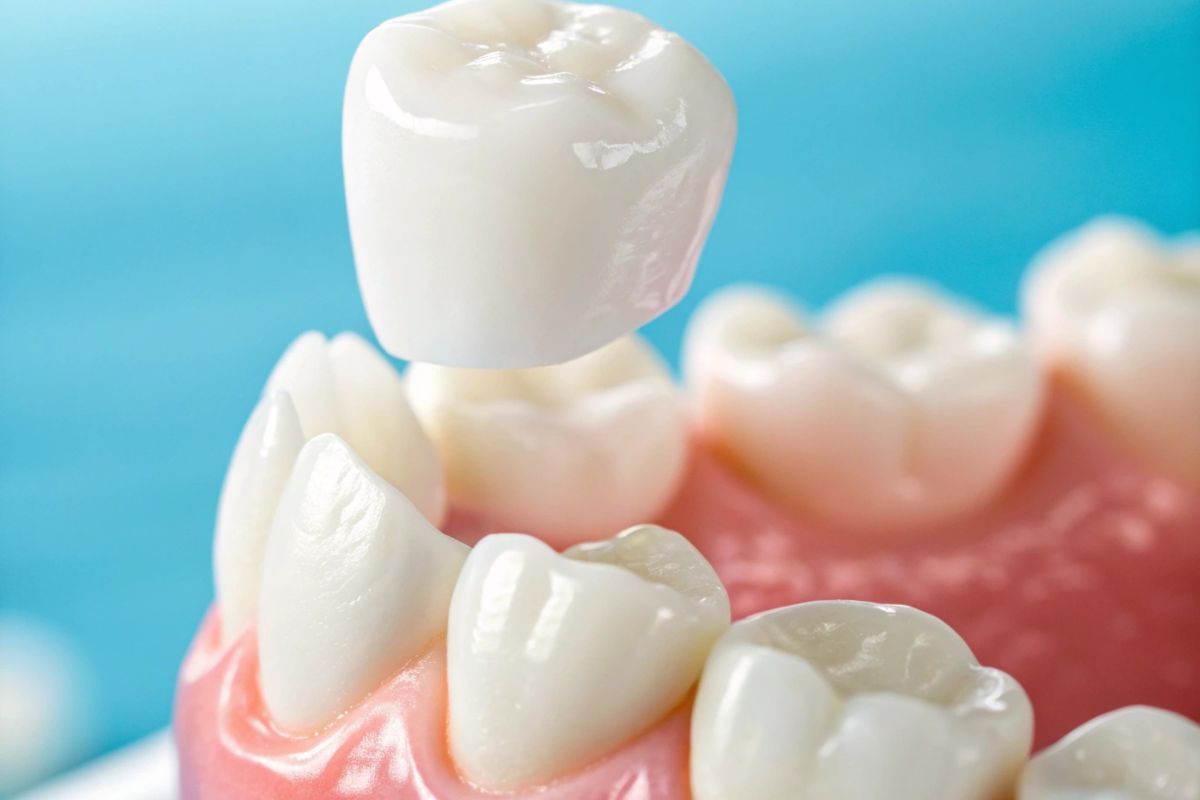
Dental Crown Problems & How to Fix Them
January 19, 2026
Dental Crowns
Dental crowns are among the most common types of dental restorations used to repair damaged teeth. Whether due to tooth decay, breakage, or wear and tear, dental crowns are the best solution and are known for their longevity. However, like other dental restoratives, dental caps are susceptible to problems that may require repair. This blog discusses common issues and possible repairs for your crowns.
Crowns have become an essential part of dentistry in Matthews, NC, especially for people whose teeth have sustained significant damage. Crowns prove to be very strong, but at certain times, crowns have to be replaced. It is vital to understand the issues that can arise with dental caps and how to address them to ensure your teeth’s health. Let’s get started with the issues that can arise with a dental crown.
Common Dental Crown Problems
Dental crowns are strong, but, as with other dental restorations, they can present certain challenges. Therefore, it is important to understand some of the challenges that may arise with dental caps so you can recognize them as soon as possible.
1. Crown Damage
While dental crowns in Matthews, NC, are designed to last, they can still break, crack, or wear down over time, especially if one grinds one’s teeth (bruxism) or eats hard foods.
How to Fix It:
If the crown is chipped or cracked, your dentist may need to replace it. If you grind your teeth at night, your dentist may recommend a nightguard.
2. Crown Loosening or Falling Off
One issue a person may face is a crown that loosens and then comes off completely. This can be due to wear and tear or to the cement holding the crown in place failing. This can become a problem since, without the crown, the other teeth can become infected due to exposure.
How to Fix It:
Additionally, in case the crown comes off, the first course of action is to visit your dentist. It may be possible to have the crown re-cemented, and in some cases, a new crown may be required if the tooth is severely damaged. However, to hold the crown in place before you visit your dentist, a dental adhesive available at a pharmacy could be used.
3. Crown Sensitivity
Another common problem that dental patients face is sensitivity, especially to temperature and/or pressure changes. Sensitivity, especially to temperature, is not unusual after getting a crown. However, a lengthy period of such sensitivity can be a cause for concern.
How to Fix It:
However, if sensitivity persists after the crown is installed, the dentist may need to adjust it, and if there is any tooth decay, a root canal may be necessary.
4. Crown Staining
Crowns made from porcelain or ceramic material are very resistant to staining. However, the crowns on the back teeth may change color over time, especially if you are a smoker or use coffee, wine, or tea.
How to Fix It:
While crowns do not get discolored easily like the rest of your natural teeth, when this happens, it could be a sign that you need a replacement. Proper oral hygiene can help you avoid having a stained crown.
5. Improper Fit
A crown that doesn’t fit well can cause discomfort, difficulty chewing, and sometimes bite problems. For instance, a crown might feel too high or too low, which can affect the overall bite and cause wear on other teeth.
How to Fix It:
If you are feeling uneasy about the crown, you should visit your dentist, who may adjust its fit to ensure it is properly aligned with your bite. In addition, the crown may need to be remade to fit correctly.
6. Gum Irritation
Dental caps sometimes cause irritation to the gum tissue surrounding the tooth that received the crown. This can occur if the crown is too large or if the gum tissues are not healthy prior to crown placement.
How to Fix It:
Relief from gum irritation can be achieved through good oral hygiene and, if needed, by adjusting the crown. Your dentist may be able to trim the crown to reduce gum irritation. Also, if the cause is gum infection, it may need to be treated.
How to Prevent Dental Crown Problems
Maintaining your dental caps and your other teeth is critical to preventing further complications. Here are a few tips to maintain your crown:
- Maintain Good Oral Hygiene: Brushing and flossing regularly will not only keep the area around the crown plaque-free, but also prevent decay in nearby teeth.
- Avoid Chewing Hard Foods: Avoid chewing on hard foods like ice, pens, and candy, as they can damage your crown.
- Wear a Mouthguard: If you grind your teeth during sleep, wearing one will help protect your crowns and other teeth.
- Regular Dental Checkups: Regular checkups at your dentist’s office provide an opportunity for your dentist to check on the health of your crowns.
When to See Your Dentist
However, if you notice any of these problems, such as those discussed above, it is important to contact your dentist as soon as possible. This will prevent further damage to your dental cap and help it last longer. Regular dental check-ups are essential to maintaining your dental crowns and keeping your dental health at its best.
Addressing Dental Crown Issues: Your Next Step
Dental crown problems can be a source of anxiety; however, they can be easily solved when proper attention is given to them. For instance, if your crown detaches from your tooth, it is crucial to address the issue as soon as possible to avoid further complications. Regular dental checkups play an important role in ensuring that your dental cap lasts for a long time.
If any issues arise with your dental crown, Dawson Modern Dentistry – Matthews is there for you. Our team is focused on providing you with the best solutions for all your dental restoration needs, ensuring your crown fits comfortably and supports your oral health. Contact us now and book an appointment to restore your smile and prevent future complications with your crown.
Questions People Ask About Dental Crowns
- What should I do if my dental crown falls off?
If your dental crown falls off, visit your dentist as soon as possible. You can temporarily reattach the crown with dental adhesive until your appointment. - Why is my dental crown sensitive to temperature?
Sensitivity can occur after placing a crown, but prolonged sensitivity may indicate an issue with the fit or the underlying tooth. Your dentist can check for any underlying problems. - Can I eat with a cracked dental crown?
It’s best to avoid eating with a cracked crown, as it could cause further damage. Visit your dentist for a repair or replacement. - How can I prevent my dental crown from staining?
Regular brushing and avoiding staining foods and beverages can help prevent staining. Good oral hygiene is key to keeping your crown looking fresh. - Can a dental crown cause gum irritation?
If your crown is too large or not properly placed, it may irritate the gums. Your dentist can adjust the crown or treat any gum issues.
More Blog Posts
January 28, 2026
How to Know When Your Dental Crown Needs Replacement
January 19, 2026
Dental Crown Problems & How to Fix Them
January 12, 2026
Caring for Your Dental Crowns: Do’s and Don’ts
January 5, 2026
Types of Dental Crowns: How to Choose the Best One for Your Smile
December 30, 2025